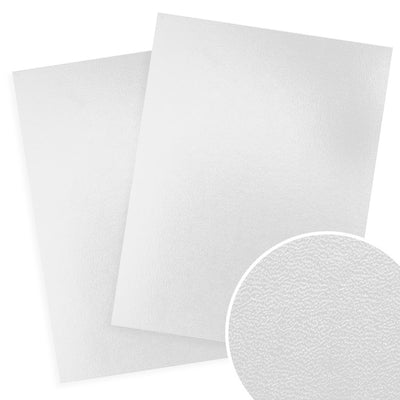
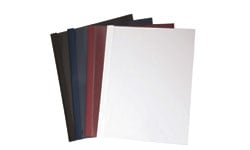
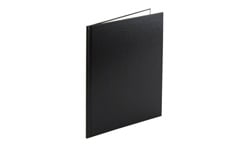
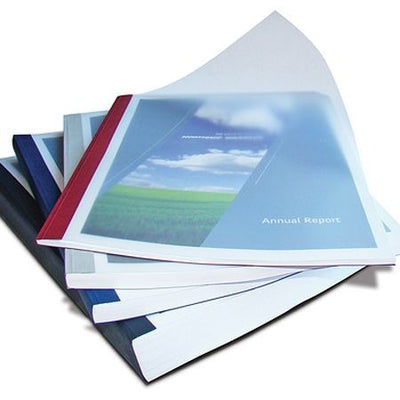
Binding covers provide the finishing touch to any bound document, enhancing both appearance and durability. Available in a wide range of styles, such as clear covers for title visibility, leatherette or linen-textured backs, and full wraparound designs, they offer protection while giving your presentations, reports, and proposals a polished, professional look. Binding covers come in various sizes, thicknesses, and colors to suit different binding styles including comb, coil, wire, thermal, and Velobind. Whether you're preparing business documents, school projects, or client materials, binding covers help elevate the presentation and extend the life of your work.
Binding covers provide the finishing touch to any bound document, enhancing both appearance and durability. Available in a wide range of styles, such as clear covers for title visibility, leatherette or linen-textured backs, and full...
Binding covers provide the finishing touch to any bound document, enhancing both appearance and durability. Available in a wide range of styles, such as clear covers for title visibility, leatherette or linen-textured backs, and full wraparound designs, they offer protection while giving your presentations, reports, and proposals a polished, professional look. Binding covers come in various sizes, thicknesses, and colors to suit different binding styles including comb, coil, wire, thermal, and Velobind. Whether you're preparing business documents, school projects, or client materials, binding covers help elevate the presentation and extend the life of your work.


A clear front works well when the title sheet already carries the design, logo, or document name that should remain visible. It adds protection without hiding the printed presentation. An opaque front creates a more controlled appearance and can conceal the first inner sheet, which may suit reports with a separate cover design. The decision should also account for scratching, glare, handling frequency, and the binding process. Different finishes can change how easily fingerprints show or how text reads under bright lighting. Clear binding covers are available in several thicknesses and surface styles, allowing the title sheet to remain visible while adding the stiffness needed for the finished document. Test the cover with the actual printed front before ordering a large quantity.
Choose thickness according to handling, document value, and the amount of structure required. Lighter covers keep the document flexible and work well for short reports or materials that will be filed after limited use. Medium thickness covers add better resistance to bending and frequent handling without making the bound edge unnecessarily stiff. Heavier covers provide a firmer presentation for important proposals, manuals, or reference materials, but they may need to be punched separately from ordinary paper. The binding equipment must be able to process the material and chosen punch pattern. Include both covers when sizing the spine because thicker materials add to the total document thickness. A sample assembly helps confirm that the sheets turn smoothly and the finished document closes neatly.
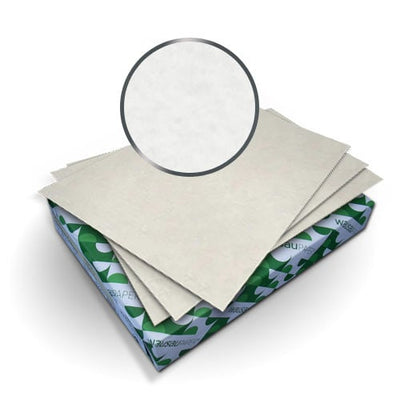
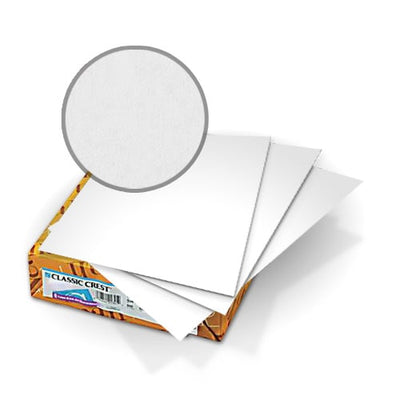
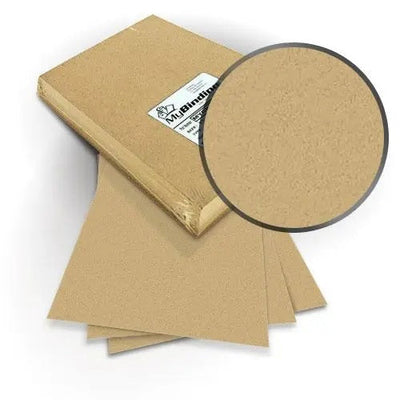
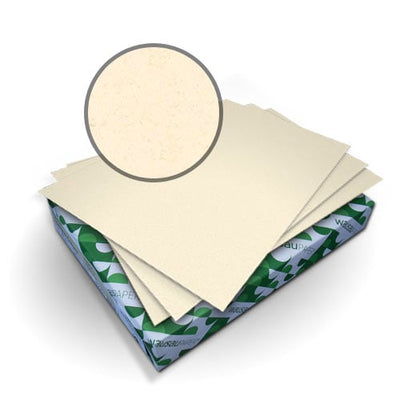
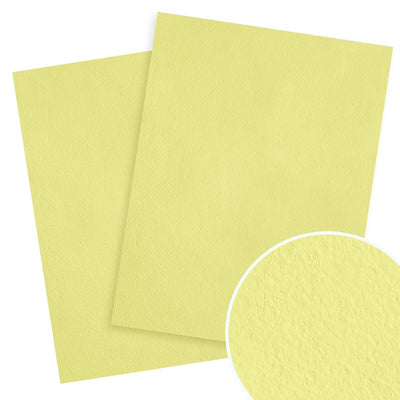
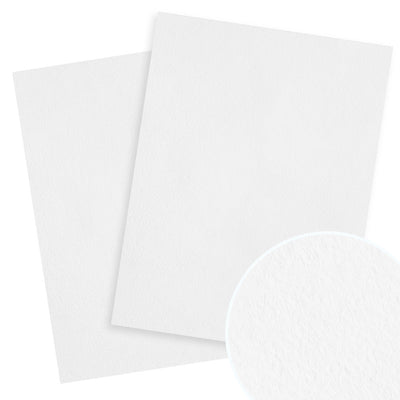
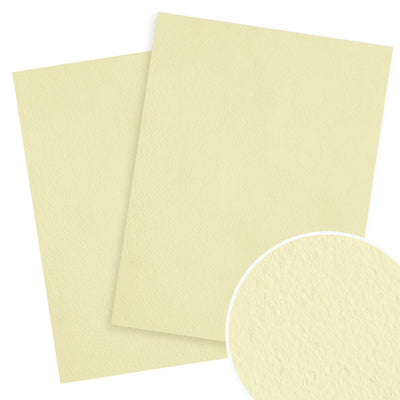
Paper covers suit documents that need a printable, writable, or textured outer surface. They can support branding, color coding, and a coordinated front and back without the glossy appearance of plastic. Plastic covers are useful when moisture resistance, transparency, or added durability matters more. The best material also depends on storage, handling, and whether the cover will be printed before binding. Paper binding covers come in different weights, colors, and finishes for reports that benefit from a traditional paper feel. Whichever material is selected, confirm that it can be punched cleanly and that its thickness does not exceed the equipment capacity. The cover should protect the contents without making the spine difficult to open or turn.
Match the cover to the finished sheet size and account for tabs, inserts, and any material that extends beyond the ordinary edge. A standard cover may leave divider tabs exposed, while an oversized cover can protect them but may require different punching or trimming. The cover should align with the bound edge and sit evenly at the other three sides. Confirm whether the document is bound along the long edge or short edge because this changes the required orientation. Window positions and prepunched holes must also align with the intended layout. Before placing a large order, assemble one complete sample with the actual sheets, tabs, spine, and covers. This reveals sizing problems that may not be obvious from nominal dimensions alone.
Confirm finished size, material, thickness, color, surface finish, punch status, and binding method. Covers that arrive unpunched must be suitable for the equipment, while prepunched covers must use the exact hole pattern required by the document. Consider whether the front design needs to remain visible, whether tabs need added protection, and how often the document will be handled. The options under binding covers by size can help narrow the dimensions before choosing material and finish. Order a small sample when changing cover stock or equipment. A minor mismatch in dimensions, hole spacing, or thickness can create significant waste when the same error is repeated across a large production run.
You have a binding machine and documents to assemble, now what? Choosing your covers is the next
step in the binding process. There are many options, so take a few minutes to familiarize yourself
with the choices so you can be sure to choose the right one for your project.
One main factor will be the size of your project. Standard binding covers come in letter, legal,
half, oversize, index, and ledger sizes. Not all styles come in all sizes, so it's important to pay
attention if you need a specific size. If you want to save time, you can order your
covers prepunched
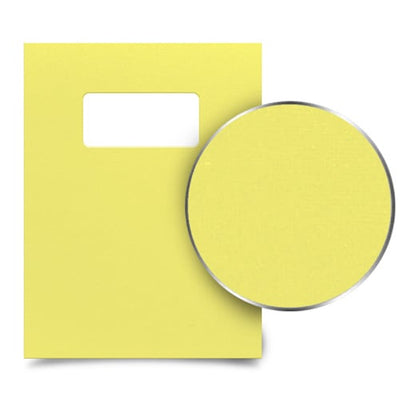
in a variety of styles. We can even add windows to your covers to let the title show through.
The biggest deciding factor for choosing covers is the look and feel. Depending on your choice,
your finished document can convey varying degrees of professionalism, from casual all the way up
to formal bound books.
Clear covers
,
one of the most popular choices, come in a variety of thicknesses and are ideal for companies
wanting a customized look. They allow you to protect the contents from spills while showing your
title page. If you like a more opaque look, try
Frost Poly covers
for the same strength and durability as clear covers with a more refined look. They are tear-proof
and treated for silk screen printing and foil stamping, allowing you to add custom graphics. Frost
Poly covers also come in an eco-friendly version.
Regency
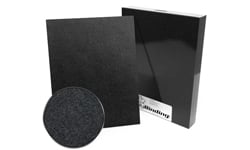
and Composition covers provide a premium leather-like appearance for your materials. Made from
heavily coated paper stock, these covers offer excellent quality and durability. Similarly,
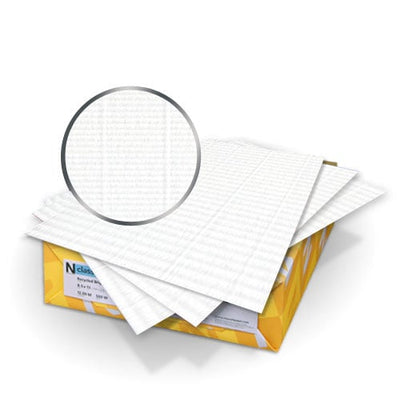
Linen Weave covers
are made from 80lb cover stock.
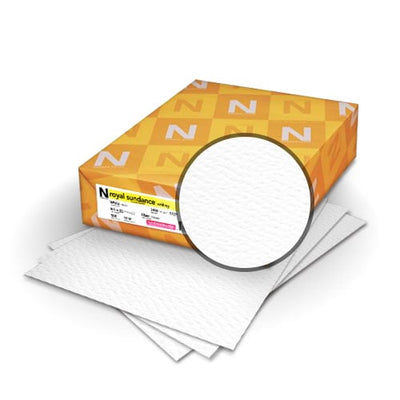
Grain paper binding covers
have a similar look and feel as Regency covers; the only difference is that grain covers aren't
coated, so they don't have the same durability and protection as the others.
Twill covers
are another option with a raised finish. Any of these options will give your documents a
professional and elegant appearance.
Cardstock covers
add a bit of fun to a report or proposal, especially if you choose one of the many charismatic
colors. They can be custom made from any color into any size. You can also save time and money by
having us prepunch them so they'll be ready to go.
For a glamorous look, try a
Metallic Cover
.
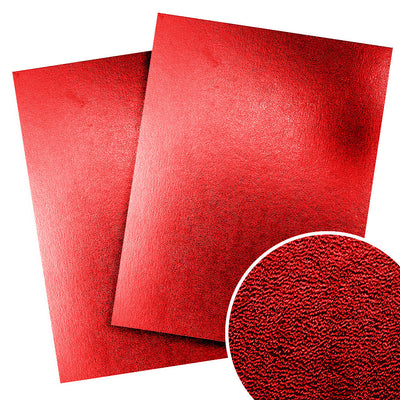
These elegant covers are available in over a dozen colors and virtually any size, including
custom sizes. They are made from heavyweight stock and feature an exquisite sparkling metallic
finish on both sides to make your project stand out. Customize these further with foil, offset
printing, embossing, or debossing.
We've mentioned a few that are compatible with printing and other custom work. However, you
shouldn't assume that all covers can be used with your printer.
Laser and Inject Imprintable covers
come in a wide variety of colors, textures, and work with your printer to create a finished
project. Make sure you consider your printing needs before you purchase covers.
There are also a number of cover selections made from Polyethylene that come in a variety of
finishes. Most of them are a quality, tear-proof option for binding.
Sand Poly covers
are 12mil and have an elegant sand-like appearance.
Leather Grain poly covers
look like leather but are made from 16mil poly.
Striped poly covers
feature a unique diagonal stripe pattern.
Crystal Embossed Poly covers
have a diamond embossed pattern for an eye-catching result.
Holographic Poly covers
have a 3D appearance and semi-transparent finish. Overall, poly covers offer durable protection
from spills and the elements.
Binding bars and report covers
work together to secure pages without punching or permanent adhesive. Simply insert your
materials and slide the binding bar along the edge for a quick bind.
Fastback binding covers
work specifically with Fastback machines and come in many styles. Beyond Fastback, we also offer
Hardcovers compatible with other machines, allowing you to create perfect bound books, yearbooks,
or repair old books using thermal bind strips.
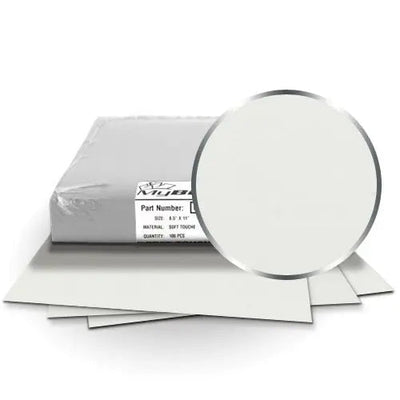
Not seeing something that works for you? We also carry specialty covers like Fibermark's Touche
with a silky soft texture. Vinyl binding covers are soft and pliable.
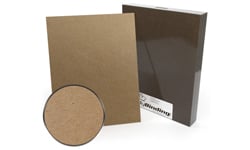
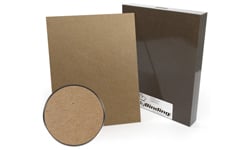
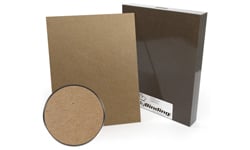
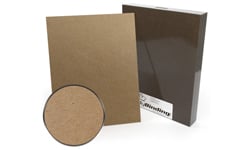
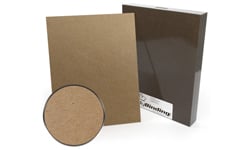
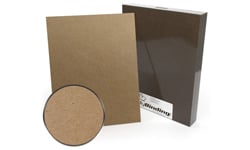
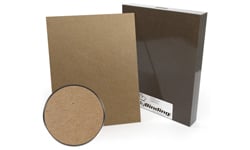
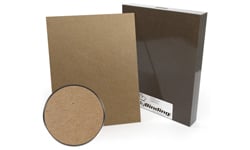
Recycled Chip Board covers
are eco-friendly, add rigidity, and are often used on the back of notebooks.
If you are on the go and your documents take a beating from the weather, try
Synthetic paper
.
Waterproof and tear-proof, it’s perfect for signage or heavy handling.
Don’t need to bind a document?
Report covers and Portfolios
give your materials a professional look in a variety of styles.
Did you know Powis not only creates Fastback covers but iCases as well?
Powis iCases
protect your iPad in style and offer comfort in nine different positions.
If you've made it this far, your brain is probably swirling with information overload.
Call us 1-800-944-4573 and we will help guide you to the right
covers for your project.
Here is a list of our top-selling equipment for 2018, across all product categories, by volume of...
Read More
From handmade zines to polished product catalogs, folded and bound booklets are a classic way to share...
Read More
Custom calendars aren’t just great for organization — they’re also an excellent product line for small businesses,...
Read More
Binding101 is now part of MyBinding.
You're in the right place! Same great service. Same great team. Even bigger selection.
Have questions? Visit our FAQ.
Need help? Contact us at 1-800-944-4573 or sales@mybinding.com.
Sign up today and enjoy 10% off your first order — savings up to $100.
Receive a 10% off coupon for just signing up.
Need pricing for this product? Reach out to us and we'll get you a custom quote.
Fill out the form and we'll respond promptly.