Fast Shipping. Reliable Service. Every Time.

Get your machines and supplies delivered quickly because deadlines shouldn’t wait.
Frequently Asked Questions

Choose linen binding covers when you want a textured paper cover with a classic, professional feel. They are a strong fit for proposals, financial reports, legal documents, manuals, and client packets that need to look polished without using a glossy plastic finish. Plastic covers are better when the document will be handled heavily, exposed to moisture, or used in a rougher environment. Linen covers are often used as back covers and paired with clear binding covers on the front so the printed title page shows through. That combination gives the document a clean front while still adding texture and structure to the back.

Begin with the finished document size, then decide whether the cover should match the sheets or protect them. Standard letter-size covers fit regular 8.5 x 11 inch documents. Oversize covers are slightly larger and often include rounded corners, which gives the finished piece a cleaner look and helps cover the page edges without flush cutting every sheet. If the document includes index tabs, use index allowance covers so the tabs are not left sticking out past the cover. Half-size and legal-size projects need matching cover sizes, not trimmed letter covers unless the job is small and appearance is less important. Size choice should match the finished document, not just the paper in the printer tray.

Choose color by logo, brand standards, department use, and how the finished document will be presented. Black and navy are common for legal, financial, and business reports because they pair well with many logos and keep repeat projects consistent. White, ivory, gray, and lighter colors may work better when the logo is dark or when the design needs a cleaner look. Color should not be picked only because the document subject feels formal or casual. Most customers are trying to match company identity, client expectations, or an existing set of materials. If you will reorder covers later, choose a color that is easy to keep consistent across future batches.

Yes. Linen binding covers are usually sold unpunched, so they can be punched for comb, coil, wire, VeloBind, and other punch-based binding styles. The key is using the correct punch pattern for the binding method. A cover punched for comb binding will not line up properly with coil or wire unless it is repunched, and repunching usually looks messy. Linen covers are not the same as thermal binding covers because they do not include a glue strip. If you need windows, foil stamping, special sizes, pre-punching, or printed branding, custom binding covers may save time and give you a cleaner finished result.

Sometimes, but it is not the best plan for every office printer. Linen covers have a raised texture, so toner or ink may not lay down as evenly as it would on smooth cardstock. For a simple title page, many buyers use a clear front cover and place the printed page underneath. For branded documents, foil stamping, a die-cut window, or a professionally printed custom cover usually looks cleaner than trying to print textured stock in-house. If you do test printing, run a small sample first and check feed, coverage, and smudging before buying a full case. That is especially important with darker linen colors, heavy cover weights, and detailed logo artwork.

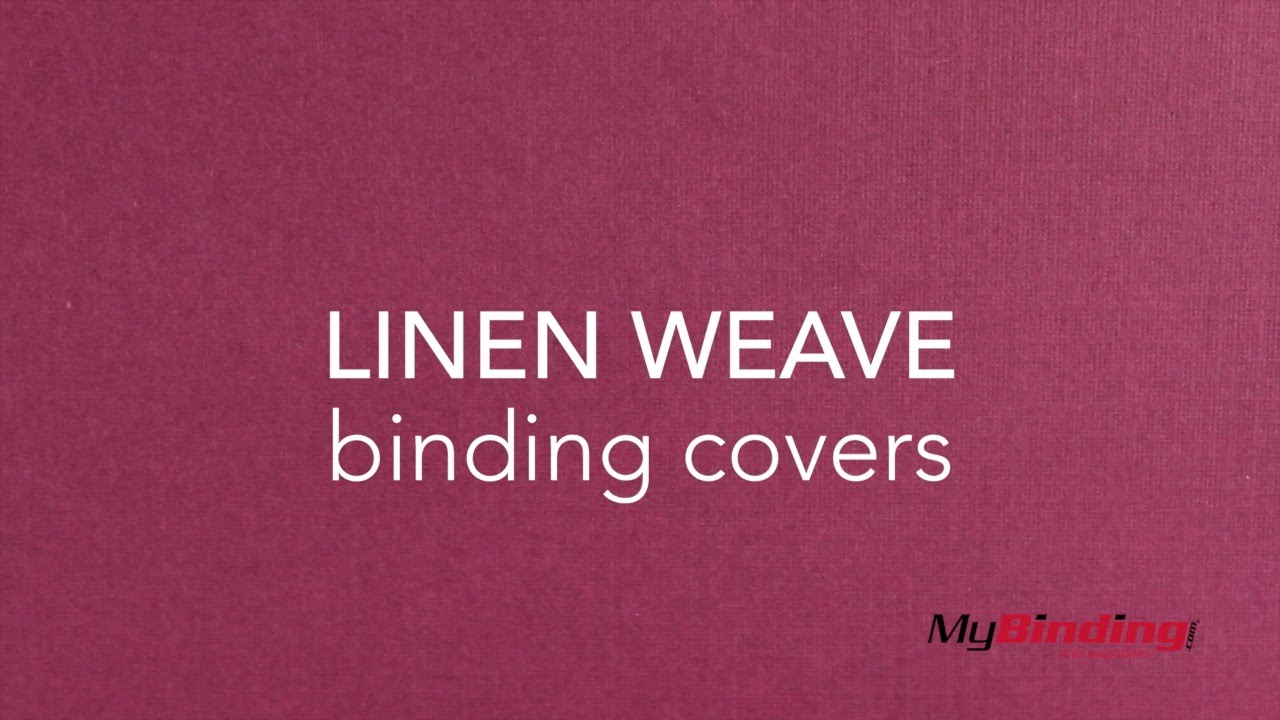
Welcome to MyBinding video. This is Linen Weave Binding Covers. They come in sizes ranging from 5.5" x 8.5" up to 11" x 17". You can choose to add a custom window to your covers or add rounded corners to your oversized coversheets. You can even select from 8 punch patterns to receive your pages prepunched. Look for variations in thickness up to 80lb and there are several colors to choose from. For more demos, reviews and how-to's, go to MyBinding.com.

Featured Blogs

View all
Binding101 2018 Best Sellers

Binding101 2018 Best Sellers

Here is a list of our top-selling equipment for 2018, across all product categories, by volume of...

Read More
DIY Booklets: How to Make Event Programs, Catalogs, & Magazines

DIY Booklets: How to Make Event Programs, Catalogs, & Magazines

From handmade zines to polished product catalogs, folded and bound booklets are a classic way to share...

Read More
How to Make Custom Calendars: A Step-by-Step Guide

How to Make Custom Calendars: A Step-by-Step Guide

Custom calendars aren’t just great for organization — they’re also an excellent product line for small businesses,...

Read More
