Fast Shipping. Reliable Service. Every Time.

Get your machines and supplies delivered quickly because deadlines shouldn’t wait.

Frequently Asked Questions

Match the cover to the finished sheet dimensions rather than relying only on a familiar paper name. The cover should protect the document edges without extending so far that storage and handling become awkward. A slightly oversized cover can help shield divider tabs or create a visible border around the inner sheets. Orientation matters as well because portrait and landscape documents may use different binding edges even when the sheet dimensions are the same. The available binding covers by size can help narrow the dimensions before thickness, finish, and punching options are selected. A physical sample is useful when the document contains tabs, inserts, or nonstandard sheets.

A lighter or medium thickness usually suits reports, proposals, handouts, and documents that need protection without becoming too rigid. Thin material remains flexible and turns easily, while heavier material gives the finished piece more structure. The right choice depends on document size, handling frequency, storage, and the amount of support provided by the back cover. Thicker plastic may need to be punched separately from the paper and can add bulk at the binding edge. Before ordering a large quantity, assemble one complete document with the intended paper, front cover, back cover, and binding element. This confirms whether the finished piece feels balanced and opens comfortably.

A heavier cover works well for manuals, reference materials, presentations, and documents that will be handled repeatedly. Extra stiffness helps resist curling and bending, especially on larger formats. However, thicker material does not automatically improve every project. It may make a short document feel bulky, require separate punching, or place more pressure on a small binding element. The range of plastic binding covers includes different textures and levels of flexibility when transparency, rigidity, and surface appearance need to be balanced. The best thickness is one that provides enough support without making the document difficult to open, carry, or store.

Plastic covers require more punching force than ordinary paper, especially as thickness increases. Punching too many covers at once can produce incomplete holes, rough edges, or unnecessary strain on the machine. Covers should usually be punched separately unless the equipment instructions allow otherwise. Prepunched covers can save time, but the hole pattern, orientation, and sheet size must match the binding method exactly. Both covers also count toward the total document thickness, so the binding element needs enough capacity for the paper and cover material together. Create one finished sample before full production to confirm hole alignment, page movement, and the amount of space left inside the binding element.

A clear front is often paired with an opaque or textured back that adds structure and hides the final sheet. A matching clear back creates a consistent appearance, while paper or poly material can add color, privacy, or extra rigidity. The two covers should align in size and punching so the finished document closes evenly. Materials within paper and poly binding covers can provide suitable back-cover options when a stronger, textured, or colored finish is preferred. Include both covers when measuring total document thickness, and make sure the chosen back remains flexible enough for the intended storage and handling conditions.

Clear Covers Overview Video

Clear Covers Overview Video

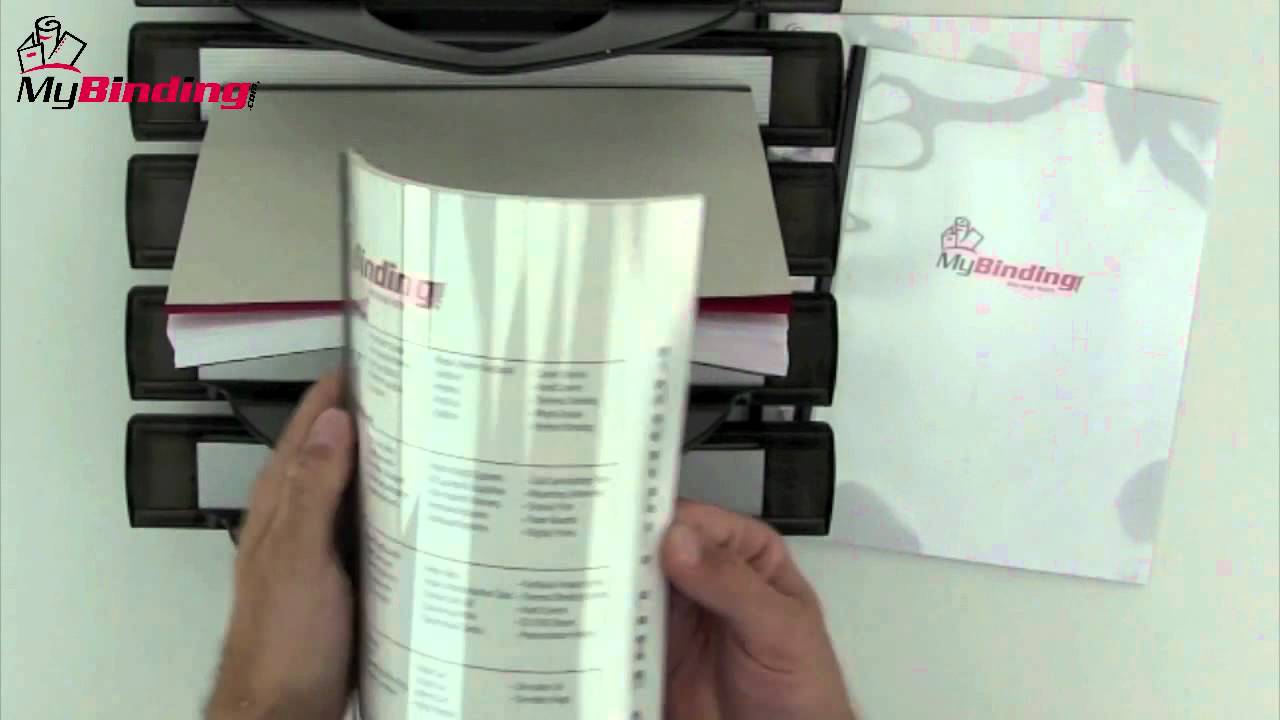
Welcome to MyBinding video. We sell more clear covers than any kind of cover. That’s because you want to display and protect your hard work on design. You’ll find on this page just how many products we do have. You can shop by popularity, thickness, size, brand and specialty needs. We have in stock covers that are 5 to 20 mil in thickness and, regardless of the size that you need – standard or otherwise – we can get it to you quick. And we can customize anything – size, pre-punch, design, however you need. And when it comes to thermal binding and using heat, no problem. We have plenty of heat-resistant materials. And we protect every sheet with tissue paper to keep scratches away. Give us a call, click or chat. We’re your best source. When image matters, MyBinding.

Featured Blogs

View all
Binding101 2018 Best Sellers

Binding101 2018 Best Sellers

Here is a list of our top-selling equipment for 2018, across all product categories, by volume of...

Read More
DIY Booklets: How to Make Event Programs, Catalogs, & Magazines

DIY Booklets: How to Make Event Programs, Catalogs, & Magazines

From handmade zines to polished product catalogs, folded and bound booklets are a classic way to share...

Read More
How to Make Custom Calendars: A Step-by-Step Guide

How to Make Custom Calendars: A Step-by-Step Guide

Custom calendars aren’t just great for organization — they’re also an excellent product line for small businesses,...

Read More