Fast Shipping. Reliable Service. Every Time.

Get your machines and supplies delivered quickly because deadlines shouldn’t wait.

Frequently Asked Questions

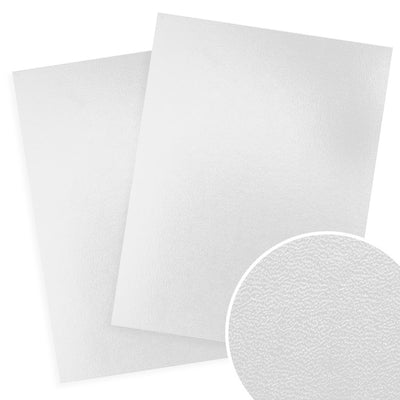
Choose leatherette binding covers when you want a report cover with a more polished, textured look than plain cardstock, but still need something practical for binding. They work well for proposals, financial reports, legal packets, board materials, sales presentations, and client documents that need a more finished appearance. The leather-like front gives the document a formal feel, while the cover helps protect the pages from handling. If the document is only for quick internal use, standard paper covers may be enough. For client-facing work, leatherette covers are often worth the upgrade because they make the finished piece feel more complete without moving into custom cover production.

Order the cover size based on the finished document, not only the sheet size coming out of the printer. Standard letter-size covers work for most 8.5 x 11 inch reports. Oversize covers are useful when you want the cover to protect the page edges, create a cleaner border, or avoid needing every sheet flush cut perfectly. If the document includes index tabs, you may need index allowance sizing so the tabs do not stick out past the cover. Legal-size, half-size, and specialty documents should use matching cover sizes whenever possible. If you need to compare several cover styles and sizes, the broader binding covers category is a useful next step before ordering.

Choose a window cover when the title, client name, logo, or report name is already printed on the first page and should show through the front. This is useful when the document title changes often but the cover style stays the same. A solid cover is better when you want a cleaner outside face, plan to use foil stamping, or do not want the first page visible. Window placement matters, so check your title page layout before buying. If the text does not line up with the opening, the finished report can look careless. For repeat projects, leatherette binding covers with windows can save setup time.

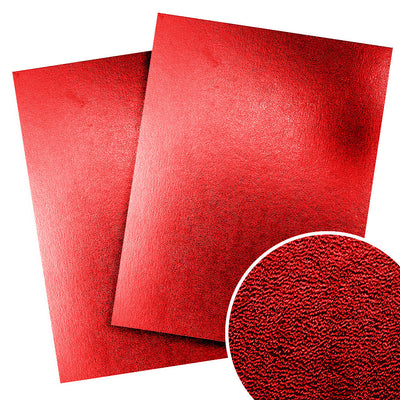
Choose color around brand identity, logo colors, department standards, and client expectations. Black, navy, brown, maroon, and dark green are common because they pair well with many business documents and look consistent across repeat projects. A lighter or more specific color may be useful when it matches a company logo, separates departments, or helps identify a recurring report series. Do not choose color only because the document subject feels formal. In real orders, color is usually about brand standards, filing systems, and presentation consistency. If you expect to reorder the same cover later, pick a color that is easy to keep consistent across future batches.

Yes, many leatherette covers are available unpunched or pre-punched for common binding patterns. The important part is matching the cover punching to the binding method. A comb-punched cover will not line up cleanly with coil, wire, ProClick, or VeloBind unless it is made for that pattern. If you already have a binding machine, check the punch pattern, sheet size, and whether you need standard or oversize covers before ordering. Pre-punched covers save time when your team produces the same report style often. Unpunched covers give more flexibility if you use more than one binding method, but they require the correct punch setup in-house.

Regency Leatherette Binding Covers Demo

Regency Leatherette Binding Covers Demo

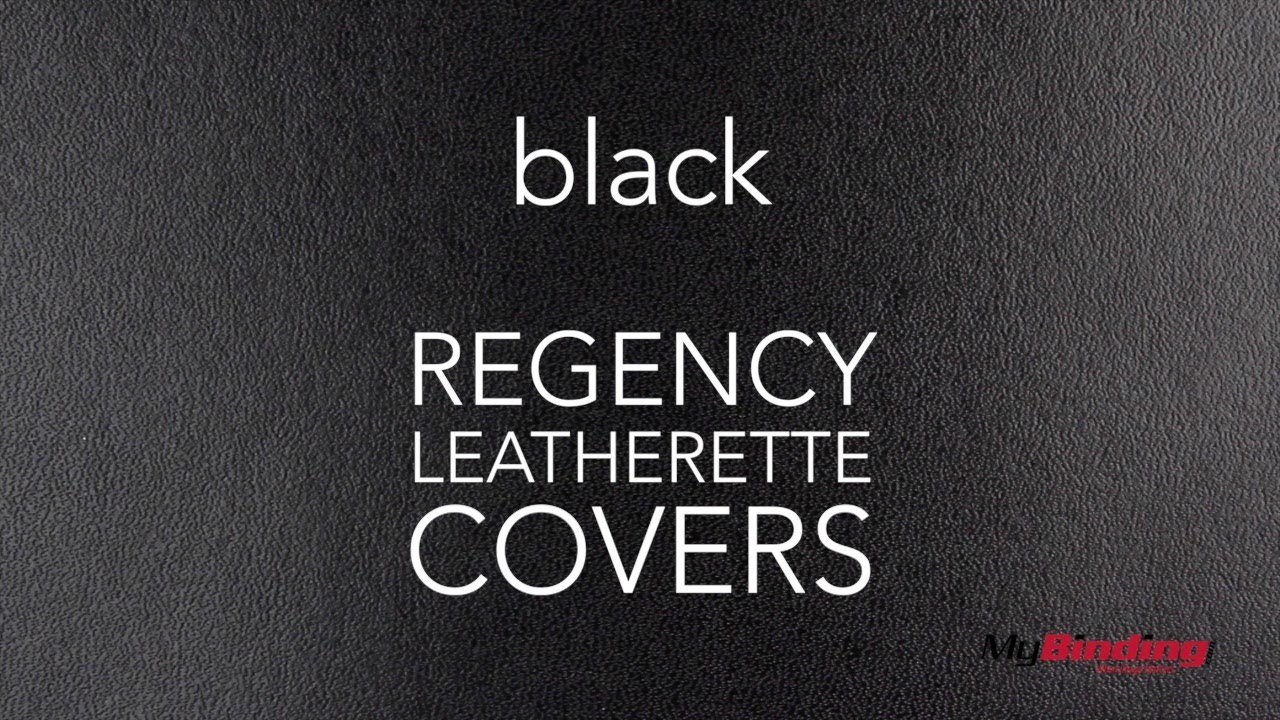
Welcome to MyBinding video. These are Regency Leatherette Covers. They're made to protect your books with a variety of different sizes. The back of the cover has a matte texture while the front has the look of leather. We also have an option to add a custom window, or using gold or silver foil even add your own logo to the front. And be sure to check out the multiple different colors. For more demos, reviews and how-to's, go to MyBinding.com.

Featured Blogs

View all
Binding101 2018 Best Sellers

Binding101 2018 Best Sellers

Here is a list of our top-selling equipment for 2018, across all product categories, by volume of...

Read More
DIY Booklets: How to Make Event Programs, Catalogs, & Magazines

DIY Booklets: How to Make Event Programs, Catalogs, & Magazines

From handmade zines to polished product catalogs, folded and bound booklets are a classic way to share...

Read More
How to Make Custom Calendars: A Step-by-Step Guide

How to Make Custom Calendars: A Step-by-Step Guide

Custom calendars aren’t just great for organization — they’re also an excellent product line for small businesses,...

Read More