Fast Shipping. Reliable Service. Every Time.

Get your machines and supplies delivered quickly because deadlines shouldn’t wait.

Frequently Asked Questions

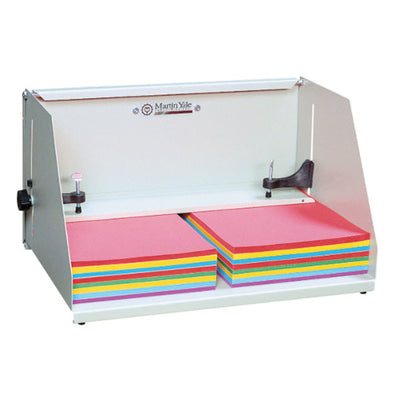
You can produce very small pad runs without a press, but a padding press becomes much more useful once you care about consistency, cleaner edges, and repeatable output. It helps hold sheets firmly while adhesive is applied and dried, which makes the finished pad look more uniform and feel more professional. For occasional light use, a manual setup may be workable. For recurring office forms, memo pads, scratch pads, or carbonless sets, a press usually removes frustration and saves time. The value is not just speed. It is also better alignment, cleaner glue application, and less waste from shifting sheets. If padded products are becoming a regular part of your workflow, moving into padding presses is often the point where the process becomes much easier to manage.

Look for a compound that suits the type of pad you make, the amount of handling the finished pads will get, and the way you produce them. The adhesive should hold sheets together securely while still allowing a clean pull from the pad. It should also be practical for the volume you run. Some buyers need a simple option for office memo pads, while others need something better suited to repeat production or specialty forms. The wrong compound can lead to weak pad edges, messy application, or sheets that separate poorly. Before ordering in volume, think about pad size, typical sheet count, and whether the finished item needs a firmer or more flexible bind. Matching the compound to the real use case usually matters more than buying the largest container first.

Good results usually come from the small supporting tools as much as the adhesive itself. A stable press, application tools, backing materials, and clean work handling all make a visible difference in the finished pad. Buyers often focus on glue first, but the process gets easier when the sheets are held squarely and the adhesive can be applied evenly without rushing. Support tools also help reduce waste because they make it easier to keep edges neat and pad thickness consistent from one batch to the next. That matters even more when you produce repeating pad sizes for office use or resale. If you are building a more complete setup instead of buying glue alone, padding supplies and accessories can help round out the process more effectively.

Choose backing material by how sturdy the finished pad needs to feel and how the pad will be used. A light memo pad may need only basic support, while a larger desk pad or a more substantial carbonless set often benefits from a firmer back. The goal is to support the sheets without making the finished piece bulky or awkward. You should also think about transport and handling. If the pad is moved around often, a stronger back can help it keep shape better. Size matters too, because the back should match the finished dimensions cleanly. The best choice is the one that gives enough structure for the job without adding unnecessary thickness or cost. A small sample run usually helps settle that decision quickly.

Base your stock level on the pad sizes you run most often, the number of sheets in a normal pad, and how quickly those jobs repeat. Bulk buying only pays off when the workflow is steady enough to use the material before storage, handling, or job changes turn that stock into waste. It also helps to plan the press, backing materials, and support tools together instead of buying each item on its own schedule. That keeps production smoother because the missing piece in a padding job is often not the paper, but the adhesive or finishing supply that should have been reordered earlier. If your main concern is adhesive volume, keeping paddingcompound aligned with real production demand usually leads to the most accurate restocking plan.

Featured Blogs

View all
Binding101 2018 Best Sellers

Binding101 2018 Best Sellers

Here is a list of our top-selling equipment for 2018, across all product categories, by volume of...

Read More
DIY Booklets: How to Make Event Programs, Catalogs, & Magazines

DIY Booklets: How to Make Event Programs, Catalogs, & Magazines

From handmade zines to polished product catalogs, folded and bound booklets are a classic way to share...

Read More
How to Make Custom Calendars: A Step-by-Step Guide

How to Make Custom Calendars: A Step-by-Step Guide

Custom calendars aren’t just great for organization — they’re also an excellent product line for small businesses,...

Read More