Fast Shipping. Reliable Service. Every Time.

Get your machines and supplies delivered quickly because deadlines shouldn’t wait.

Frequently Asked Questions

Choose based on the thickness of the documents and how often the tool will be used. A desktop stapler works for everyday office packets and light paperwork. A heavy-duty stapler is better for thicker document stacks, reports, manuals, or repeated use in copy rooms. A stitching machine is the better option for booklet work, catalogs, programs, and higher-volume stapling jobs where consistency matters. Also check staple compatibility before buying. Heavy-duty staplers and stitching machines often require specific staple types. If your work is mainly thick stacks, compare heavy duty staplers. For booklet-style output, review booklet staplers.

An electric stapler is worth buying when staff staple repeated batches and manual stapling slows the workflow. It can help in offices, front desks, mailrooms, copy areas, and administrative departments where documents are handled throughout the day. Electric staplers also reduce hand fatigue and can make stapling more consistent when several people use the same workstation. Before buying, check sheet capacity, throat depth, staple compatibility, and whether the unit is designed for light office use or heavier repeated jobs. If the team staples only a few sheets occasionally, a manual stapler may be enough. For faster office use, compare electric staplers.

Staple compatibility is one of the most important buying checks. Do not assume any staple will fit any stapler. Match the staple type, leg length, crown style, and capacity to the stapler or stitching machine. A staple that is too short may not close properly through the stack. A staple that is too long can bend poorly or leave an untidy finish. For stitching machines, wire or stitcher supplies must match the equipment. If your office uses several staplers, label each machine with the correct refill type. For replacement supplies, review staples before placing a larger order.

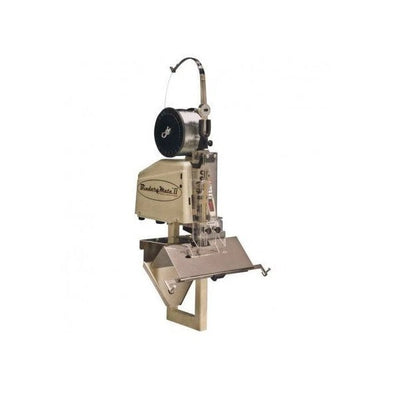
Use a standard stapler for corner or side stapling flat documents. Use a booklet stapler when you need to staple along the fold line of folded sheets. Booklet staplers are better for event programs, handouts, small catalogs, newsletters, and instruction booklets because they can reach the center fold. A regular stapler usually cannot reach far enough into the sheet to place staples correctly. If booklet production happens often, consider whether a manual booklet stapler is enough or whether a higher-volume stitching setup would save time. For heavier booklet production, compare wire stitching machines.

For shared office use, choose stapling equipment that is easy to operate, clearly labeled, and strong enough for the heaviest normal job. A small desktop stapler may be fine for individual desks, but shared copy rooms often need heavier capacity. Check sheet capacity, staple availability, jam clearing, throat depth, and how often the tool will be used. If multiple teams use different document types, consider having separate tools for everyday packets, thick reports, and booklet work. Clear supply storage also matters. Keeping the correct staples nearby prevents staff from forcing the wrong refills into the machine and causing jams or poor results.

Featured Blogs

View all
Binding101 2018 Best Sellers

Binding101 2018 Best Sellers

Here is a list of our top-selling equipment for 2018, across all product categories, by volume of...

Read More
DIY Booklets: How to Make Event Programs, Catalogs, & Magazines

DIY Booklets: How to Make Event Programs, Catalogs, & Magazines

From handmade zines to polished product catalogs, folded and bound booklets are a classic way to share...

Read More
How to Make Custom Calendars: A Step-by-Step Guide

How to Make Custom Calendars: A Step-by-Step Guide

Custom calendars aren’t just great for organization — they’re also an excellent product line for small businesses,...

Read More