Fast Shipping. Reliable Service. Every Time.

Get your machines and supplies delivered quickly because deadlines shouldn’t wait.

Frequently Asked Questions

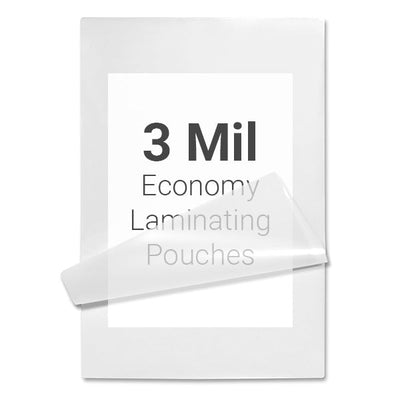
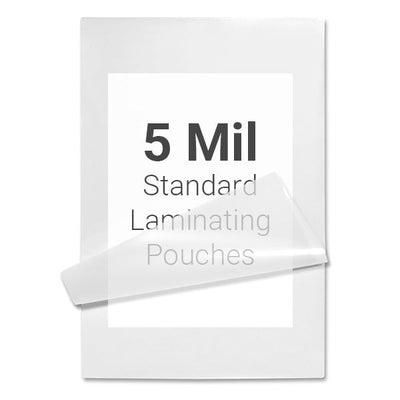
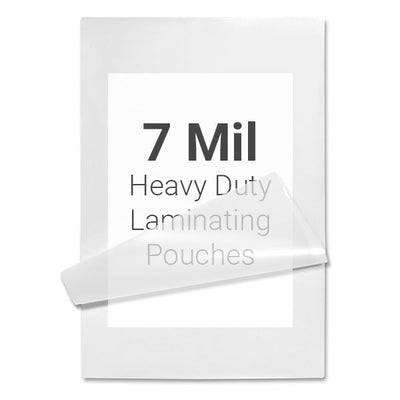
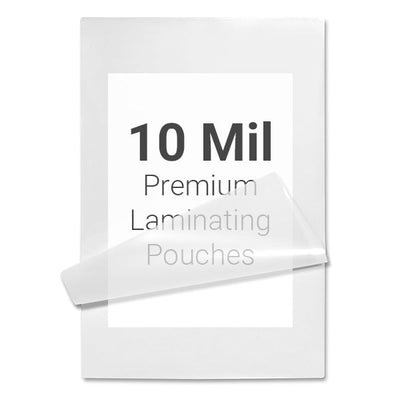
Choose pouch thickness based on how flexible or rigid the finished item should be. Thinner pouches, such as 3 mil, are better for everyday sheets that still need to bend. Medium thicknesses, such as 5 mil, add more structure for signs, notices, menus, and handled documents. Heavier options, such as 7 mil or 10 mil, create a firmer finish for cards, reference sheets, and materials used often. Always check your laminator’s supported pouch thickness before ordering. A pouch that is too thick for the machine may not seal correctly and can create poor results.

The main difference is stiffness, protection, and machine requirement. Lighter pouches are more flexible and work well for basic document protection. Heavier pouches feel more rigid and provide stronger protection for pieces that are handled often. For example, a lightweight pouch may be fine for a standard office sheet, while a thicker pouch may be better for menus, signs, cards, or reference materials. You can compare options through laminating pouches by thickness and then match the choice to your laminator. The right thickness should protect the item without making it harder to use or store.

No, not every pouch laminator can handle thick pouches. Some basic machines are made for lighter pouches only, while stronger laminators may support several thicknesses. Before ordering 7 mil or 10 mil pouches, check the machine’s maximum pouch thickness. Also confirm that the laminator has the right heat and feed settings for the material. If the pouch is too thick, the finished piece may look cloudy, weak at the edges, or unevenly sealed. For mixed pouch work, a laminator with adjustable heat settings is usually a safer choice because it gives more control across different thicknesses.

Frequently handled materials usually need 5 mil, 7 mil, or 10 mil pouches, depending on how firm the finished item should feel. Menus, instruction sheets, reference cards, badges, and signs often benefit from stronger thickness because they face more wear. A 5 mil pouch keeps some flexibility while adding protection. A 7 mil or 10 mil pouch gives a firmer finish for items that need more structure. If you are not sure which option fits, compare the full laminating pouches category by size, thickness, and finish before buying.

Before ordering in bulk, confirm the pouch size, thickness, finish, corner style, and laminator compatibility. Also consider whether the finished piece needs to bend, stand flat, resist frequent handling, or fit into a badge holder, binder, display, or storage sleeve. Thicker pouches cost more and may run more slowly, so choose them when the added durability is useful. If you are changing thickness or using a new laminator, test a smaller pack first. Bulk orders work best when you already know the pouch thickness works with your machine and matches the finished item’s use.

Featured Blogs

View all
Binding101 2018 Best Sellers

Binding101 2018 Best Sellers

Here is a list of our top-selling equipment for 2018, across all product categories, by volume of...

Read More
DIY Booklets: How to Make Event Programs, Catalogs, & Magazines

DIY Booklets: How to Make Event Programs, Catalogs, & Magazines

From handmade zines to polished product catalogs, folded and bound booklets are a classic way to share...

Read More
How to Make Custom Calendars: A Step-by-Step Guide

How to Make Custom Calendars: A Step-by-Step Guide

Custom calendars aren’t just great for organization — they’re also an excellent product line for small businesses,...

Read More