Fast Shipping. Reliable Service. Every Time.

Get your machines and supplies delivered quickly because deadlines shouldn’t wait.

Frequently Asked Questions

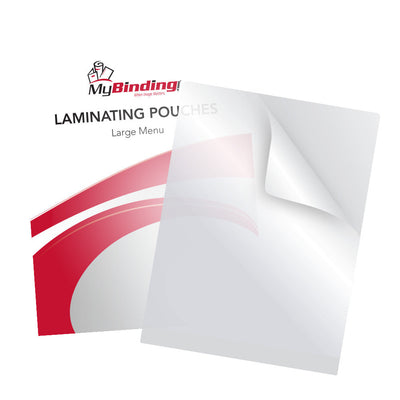
Choose a laminating pouch that is slightly larger than the document so it can seal around all edges. The sealed border is important because it helps protect the item from moisture, dirt, and peeling. Letter documents usually need letter-size pouches, while ID cards, business cards, menus, photos, luggage tags, and posters each need their own finished size. Do not choose a pouch that matches the document exactly with no room for sealing. Also avoid using a much larger pouch unless trimming is planned, because excess film can waste supplies and may feed poorly. For thickness options, compare laminating pouches by thickness.

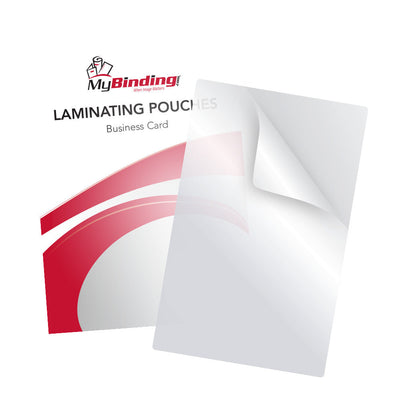
Use exact or near-exact pouches when you want faster production, less waste, and a consistent finished size. They are practical for ID cards, name badges, business cards, letter sheets, and common document formats. Use oversized pouches when the print needs careful alignment, trimming, or a special finished edge. Oversized pouches can help with posters, menus, photos, or custom materials, but they add a trimming step. The decision depends on whether speed or custom finishing matters more. If many people will use the supplies, exact-size pouches can reduce mistakes. If one operator handles custom work, oversized pouches can provide more control.

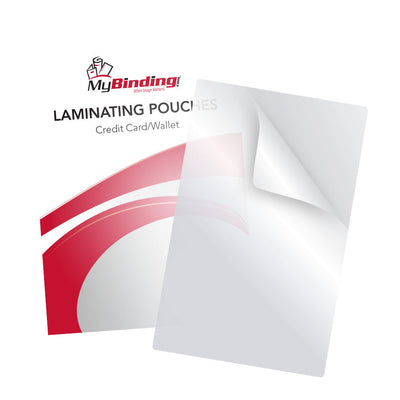
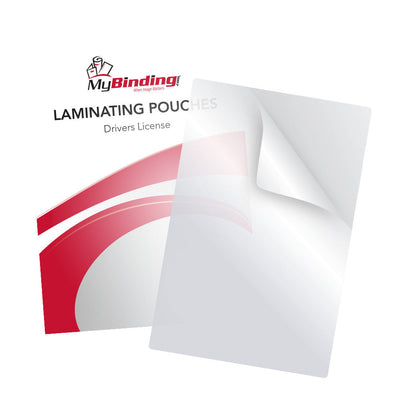
Choose the pouch size based on the finished badge format, not just the printed card size. ID badges, name badges, driver’s license-style cards, government-style cards, and luggage tags can all use different pouch sizes. If the badge will attach to a lanyard, clip, or reel, check whether a slot is needed before ordering. Some pouches come with slots, while others may need slot punching after lamination. Leave enough sealed edge so the badge does not peel during daily handling. Also match pouch thickness to the use. A carried badge often needs more rigidity than a filed document. For wearable badge options, review laminating pouches with slots.

Reduce waste by matching pouch sizes to the documents your team laminates most often. If most work is letter-size sheets, standard letter pouches are usually better than large pouches that need trimming. If the team makes menus, ID cards, luggage tags, or photos, order the closest matching size for each common job. Keep a small supply of larger pouches for custom pieces rather than using them for everything. Also train staff not to laminate several unrelated small items in one large pouch unless they can trim them safely and leave sealed borders. A simple size chart near the laminator can prevent wrong pouch selection.

Besides pouch size, check pouch thickness, finish, corner style, slot needs, and laminator compatibility. Thickness affects how flexible or rigid the finished item feels. A thin pouch works well for filed documents, while thicker pouches are better for badges, menus, signs, and pieces handled often. Gloss finish gives a clear, shiny look. Matte finish reduces glare and can be easier to read under bright lighting. Some pouches have rounded corners, while specialty formats may include slots or unusual dimensions. Always confirm the laminator can handle the pouch thickness and width before ordering. The right pouch size still fails if the machine cannot seal it properly.

Understanding and How to Use Laminating Pouches

Understanding and How to Use Laminating Pouches

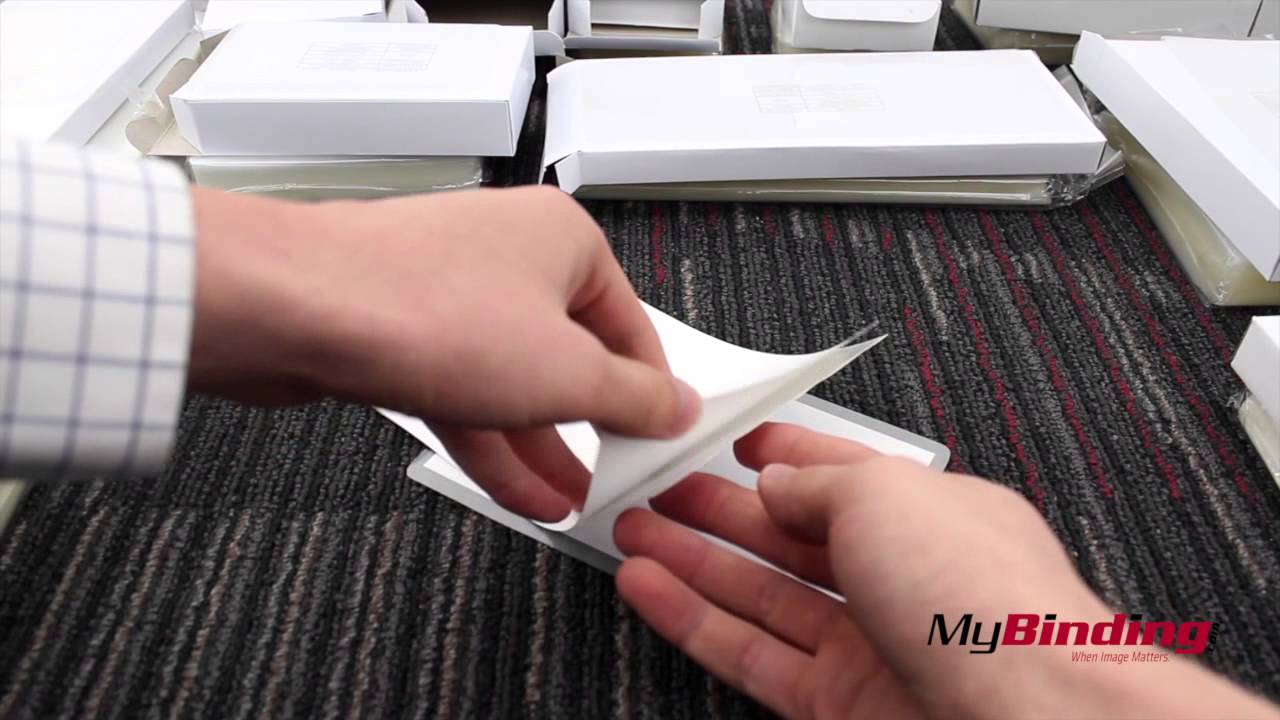
This is How to Use Laminating Pouches!First off, make sure your project fits inside the pouch and does not extrude past the edges. The pouch should always be bigger than your page.Next, when choosing a size, make sure your pouch laminator

Featured Blogs

View all
Binding101 2018 Best Sellers

Binding101 2018 Best Sellers

Here is a list of our top-selling equipment for 2018, across all product categories, by volume of...

Read More
DIY Booklets: How to Make Event Programs, Catalogs, & Magazines

DIY Booklets: How to Make Event Programs, Catalogs, & Magazines

From handmade zines to polished product catalogs, folded and bound booklets are a classic way to share...

Read More
How to Make Custom Calendars: A Step-by-Step Guide

How to Make Custom Calendars: A Step-by-Step Guide

Custom calendars aren’t just great for organization — they’re also an excellent product line for small businesses,...

Read More