Fast Shipping. Reliable Service. Every Time.

Get your machines and supplies delivered quickly because deadlines shouldn’t wait.

Frequently Asked Questions

Begin with what the package must accomplish. Banding groups lighter items with a narrow strip, strapping provides stronger load containment, shrink film covers the product, and bag sealing closes items already placed in suitable packaging. The product’s weight, shape, surface, value, and sensitivity determine which method is practical. Banding equipment can suit bundles that need containment without full enclosure, while heavier or unstable loads may require a stronger solution. Also consider whether the package needs protection from dust, moisture, tampering, or movement inside a carton. Test the full packed item under expected handling conditions. A method that looks secure on a workbench may perform differently when the package is stacked, carried, or transported through changing temperatures.

Equipment should handle the smallest and largest items without awkward repositioning or excessive setup changes. Measure width, height, length, weight, and any irregular areas that affect sealing or securing. Production volume determines whether a manual, semi automatic, or automated process is reasonable. Occasional varied jobs often benefit from flexible equipment, while repetitive packages can justify faster cycling and fixed settings. Account for the operator’s movement, loading position, finished package removal, and the space needed for consumables. Electrical supply, warm up time, maintenance access, and noise may also influence placement. Estimate peak volume rather than only average demand so the process does not become a bottleneck during busy periods. Equipment should improve consistency without creating more handling than the packaging task requires.

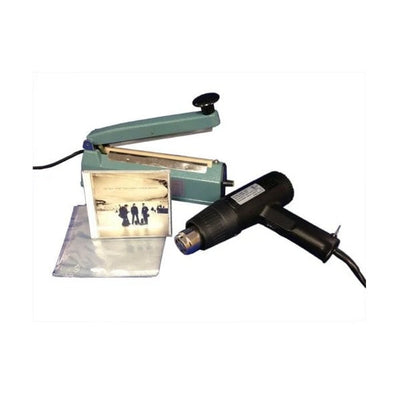
Shrink wrapping is useful when a product or group of items needs an enclosing film that conforms around the contents after heat is applied. It can help with bundling, surface protection, presentation, and tamper evidence depending on the film and sealing design. The product must tolerate the heat used in the process, and the film size should allow a reliable seal without excessive waste. Shrink wrap equipment ranges from sealing tools to more complete wrapping systems, so package dimensions and output volume should guide the setup. Ventilation, heat safety, workspace, and film storage need to be planned before installation. Run tests on the actual product to confirm the film does not distort labels, damage sensitive contents, or create weak corners.

The bag material, opening width, required seal strength, product type, and daily volume all affect the choice. A sealer must create a consistent bond across the full opening without burning, wrinkling, or leaving channels. Heat settings and dwell time should suit the film, while the seal width should match the package’s handling needs. Products containing powders, liquids, or oily residue may require extra attention because contamination near the opening can weaken the seal. Consider whether air must be removed, whether a date or code is added, and whether the operator needs a foot control or conveyor. The work surface should support the filled bag so its weight does not pull against the hot seal. Testing several filled packages is more reliable than testing empty material alone.

A packaging machine depends on compatible film, straps, bands, bags, tape, blades, heating elements, or other wear items. Record the exact width, thickness, core size, material, and sealing method required by each unit. The range of bag sealing equipment illustrates how the package format and closure method must be considered together. Storage space should protect consumables from heat, moisture, dust, and crushing. Keep common replacement parts available when downtime would interrupt shipping. Worktables, roll holders, carts, ventilation, and inspection tools may also be needed for a complete setup. Calculate ongoing supply use and changeover time alongside the equipment cost. A machine is only productive when the correct materials are available and operators can load them without confusion.

Featured Blogs

View all
Binding101 2018 Best Sellers

Binding101 2018 Best Sellers

Here is a list of our top-selling equipment for 2018, across all product categories, by volume of...

Read More
DIY Booklets: How to Make Event Programs, Catalogs, & Magazines

DIY Booklets: How to Make Event Programs, Catalogs, & Magazines

From handmade zines to polished product catalogs, folded and bound booklets are a classic way to share...

Read More
How to Make Custom Calendars: A Step-by-Step Guide

How to Make Custom Calendars: A Step-by-Step Guide

Custom calendars aren’t just great for organization — they’re also an excellent product line for small businesses,...

Read More