Fast Shipping. Reliable Service. Every Time.

Get your machines and supplies delivered quickly because deadlines shouldn’t wait.

Frequently Asked Questions

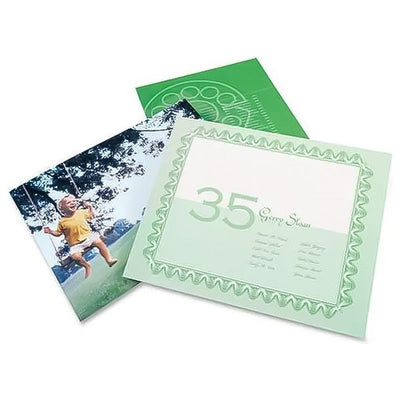
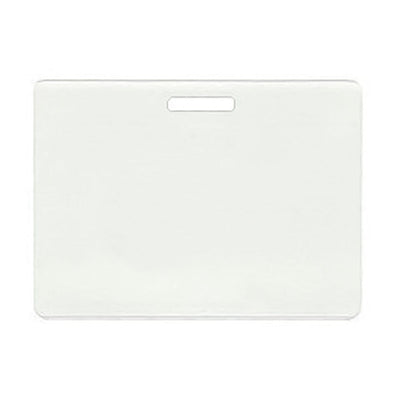
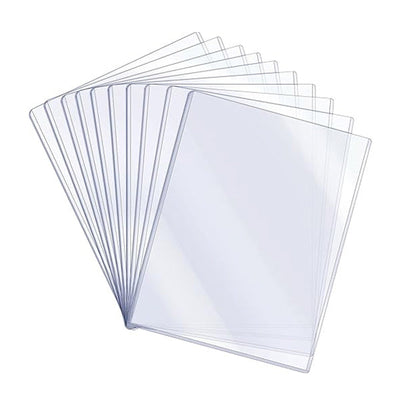
Choose a specialty pouch by matching the pouch type to the job. Slotted pouches are best for badges, tags, and cards that need clips or lanyards. Sticky-back pouches are useful when the laminated piece needs to be mounted to a surface. Matte pouches help reduce glare and can be better for writable or readable materials. Cold pouches are useful when heat is not suitable. Start with the finished use, then check pouch size, thickness, finish, and laminator compatibility. For general size options, compare laminating pouches by size.

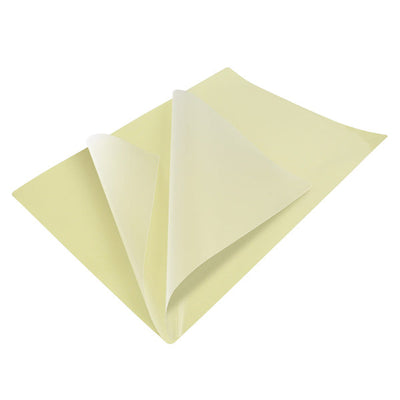
Use sticky-back pouches when the finished piece needs to attach to a wall, sign, board, folder, shelf, or display surface. They are helpful for labels, instructions, notices, menus, signs, and workplace information that needs protection and mounting. Before ordering, check the surface where the item will be placed. Smooth, clean surfaces usually work better than dusty, textured, or uneven ones. Also consider whether the item must be removed later. If the piece is meant to be mounted after lamination, sticky back laminating pouches may be a better choice than standard pouches.

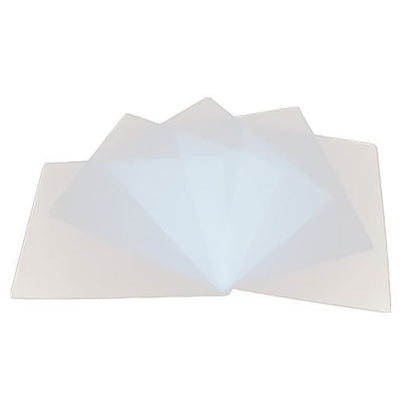
Choose matte pouches when glare control, readability, or writing on the surface matters. They are useful for signs, learning materials, reference sheets, and items viewed under bright lights. Choose glossy pouches when you want a clearer, shinier finish that can make colors look stronger. Gloss works well for photos, badges, and display pieces where appearance matters more than writing. The best choice depends on where the laminated item will be used. If glare or handwriting is a concern, review matte laminating pouches before choosing standard glossy pouches.

Cold laminating pouches are better when the item cannot be exposed to heat. This may include heat-sensitive prints, certain photos, inkjet output, delicate materials, or documents that could warp under high temperature. They can also be useful when no pouch laminator is available. Thermal pouches are still common for everyday office documents, cards, and signs when the material can handle heat. Before choosing, confirm the document type, finish, durability needs, and whether the final piece must be flexible or rigid. For heat-sensitive work, compare cold pressure sensitive laminating pouches.

Avoid choosing only by size. Specialty pouches also differ by slot, finish, adhesive backing, thickness, and heat requirements. A pouch may fit the document but still fail the job if it cannot attach correctly, is too glossy, or is not compatible with the machine. Check the finished use first: display, badge, tag, label, sign, or protected document. Then confirm pouch thickness and laminator support. If you are ordering for several uses, do not assume one specialty pouch will work for every item. Matching pouch type to the use case gives cleaner results and reduces wasted supplies.

Featured Blogs

View all
Binding101 2018 Best Sellers

Binding101 2018 Best Sellers

Here is a list of our top-selling equipment for 2018, across all product categories, by volume of...

Read More
DIY Booklets: How to Make Event Programs, Catalogs, & Magazines

DIY Booklets: How to Make Event Programs, Catalogs, & Magazines

From handmade zines to polished product catalogs, folded and bound booklets are a classic way to share...

Read More
How to Make Custom Calendars: A Step-by-Step Guide

How to Make Custom Calendars: A Step-by-Step Guide

Custom calendars aren’t just great for organization — they’re also an excellent product line for small businesses,...

Read More