Fast Shipping. Reliable Service. Every Time.

Get your machines and supplies delivered quickly because deadlines shouldn’t wait.

Frequently Asked Questions

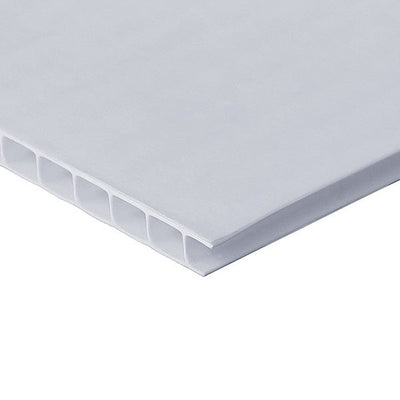
Choose the board around where the display will be used, how long it must last, and how often it will be handled. Foam board is lightweight and practical for indoor presentations, temporary signs, and displays that need easy transport. Denser rigid boards provide better resistance to dents and bending for work that moves between locations. Corrugated plastic can suit lightweight signage where moisture resistance is helpful, while PVC offers a firm surface for demanding indoor or outdoor display work. Sintra PVC mounting boards are relevant when rigidity, a smooth face, and environmental resistance matter. Also consider weight, edge appearance, cutting method, and the support system. A strong board is not automatically the best choice if the wall, stand, or transport case cannot handle it.

An adhesive coated board can reduce production steps because the bonding layer is already attached and protected by a release liner. It is helpful for repeat work where fast setup and consistent coverage are important. Applying adhesive separately offers more flexibility when the same board type is used with different graphics, bond strengths, or mounting methods. The decision also depends on whether the adhesive is permanent, repositionable, pressure sensitive, or heat activated. Confirm that the graphic surface accepts the adhesive without staining, bubbling, or texture showing through. Large prints require careful alignment because a high tack surface may offer little chance to correct placement. For unfamiliar combinations, test a small sample and observe it after the expected curing period before producing the full display.

The machine must accept the board’s full width and combined thickness after the graphic, adhesive, and protective film are included. A laminator or mounting system may have a rigid substrate limit even when its roll width appears sufficient. Feed direction, roller pressure, heat setting, and board stiffness also affect whether the material can pass through safely. Preassembled pouch boards can simplify some mounting and laminating jobs, but their finished size and thickness still need to suit the equipment. Never force a rigid board into a machine that is not rated for it. Measure the complete assembly, consult the operating specifications, and make a test piece using the same board and graphic materials planned for production.

The board may be cut to final size before mounting or trimmed after the graphic is applied, depending on the equipment and edge finish required. Leaving a controlled margin can make alignment easier and provide room for a clean final cut. Cutting the board too close before mounting increases the risk of exposed edges or uneven borders if the graphic shifts. Very large boards also need enough table support to prevent flexing while the image is positioned. Confirm whether the finished display must fit a frame, easel, shipping carton, or installation hardware, because those dimensions may be less forgiving than the printed artwork. Use one measurement standard throughout design, printing, mounting, and trimming so the finished piece does not accumulate small sizing errors at each stage.

Separate adhesive is useful when uncoated boards are already stocked, when different bond strengths are needed, or when the graphic must be applied to several substrate types. It also gives production teams control over whether the bond is permanent, removable, clear, opaque, pressure sensitive, or heat activated. The available mounting adhesive should match the print surface, board material, application equipment, and intended environment. Width and core size matter for roll fed systems, while sheets must cover the graphic without seams. Consider how much repositioning time is needed during alignment and whether the adhesive may react with inks or coatings. A tested combination is important for long term work because initial adhesion does not always predict performance after temperature changes or extended display.

Featured Blogs

View all
Binding101 2018 Best Sellers

Binding101 2018 Best Sellers

Here is a list of our top-selling equipment for 2018, across all product categories, by volume of...

Read More
DIY Booklets: How to Make Event Programs, Catalogs, & Magazines

DIY Booklets: How to Make Event Programs, Catalogs, & Magazines

From handmade zines to polished product catalogs, folded and bound booklets are a classic way to share...

Read More
How to Make Custom Calendars: A Step-by-Step Guide

How to Make Custom Calendars: A Step-by-Step Guide

Custom calendars aren’t just great for organization — they’re also an excellent product line for small businesses,...

Read More
