Fast Shipping. Reliable Service. Every Time.

Get your machines and supplies delivered quickly because deadlines shouldn’t wait.

Frequently Asked Questions

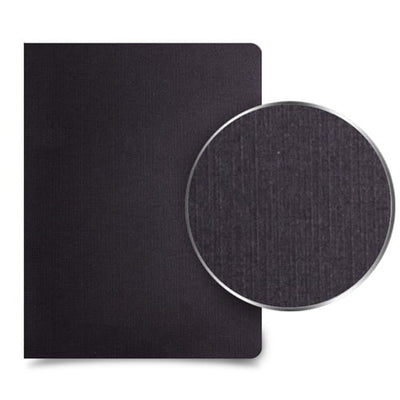
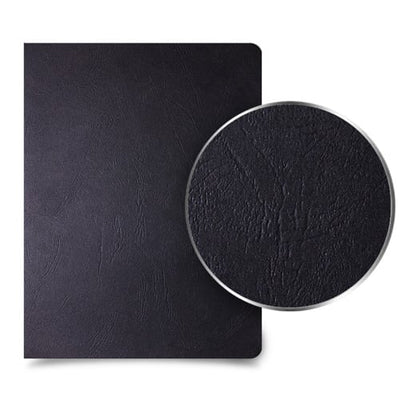
Paper covers give you a traditional, professional look. They're available in a wide range of weights, textures, and finishes, and they work well for reports, proposals, and documents where appearance matters but handling is moderate. Poly covers, on the other hand, are made from polypropylene and are significantly more resistant to tearing, moisture, and general wear. If the document is going to be handled repeatedly, passed between people, stored in a field environment, or exposed to any moisture, poly holds up far better than paper. Paper covers are the right choice when print quality or a textured finish is the priority. Poly covers are the right choice when durability is the priority. The binding covers section covers the full range of material types and finishes.

Yes, to a degree. Paper and poly covers are compatible with comb, coil, wire, and velobind binding methods, all of which punch through the cover. The key variable is cover thickness or gauge: heavier card stock and thicker poly covers may exceed the punching capacity of lighter-duty binding machines, so check your machine's maximum punch thickness against the cover weight you're ordering. For thermal binding, the cover is a different product category. Thermal covers have a glued spine built in and don't require punching. If you're binding with comb or coil, a clear front cover paired with a paper or poly back is the standard combination. For the most polished front-cover presentation, clear binding covers pair well with almost any paper or poly back.

For a document that's opened and handled regularly, you want a back cover with enough rigidity to provide support without flopping. In paper covers, a 90 lb. or heavier card stock provides good structure. In poly covers, gauge is the relevant spec. A heavier gauge poly, typically 7 mil or above, gives better rigidity and resists bending under repeated use. Thinner poly covers are fine for lighter-use documents or when you want a more flexible feel. The finish also plays a role: matte finishes on paper covers hide fingerprints better, while poly is naturally wipe-clean. If your documents go to clients or senior stakeholders, the cover weight and finish reflect on the overall presentation.

Sand poly covers, which have a lightly textured surface, offer a few workflow advantages in high-volume settings. The texture provides grip, which makes them easier to handle during assembly and reduces slipping when stacking finished documents. They also tend to hide minor surface scuffs better than smooth poly, which matters when documents are boxed and shipped. From a punching standpoint, sand poly behaves similarly to smooth poly and is compatible with the same binding methods. If your operation binds and ships a high volume of documents regularly, the texture difference is worth trying. Sand poly binding covers are a straightforward comparison against smooth poly at similar gauges.

Paper covers can be printed using standard offset or digital printing before binding. They accept ink well, especially if ordered in a printable stock. Poly covers are trickier: the surface is less receptive to standard printing methods, though some poly stocks are made specifically for digital printing. A common approach for branding is to pair a clear front cover with a printed paper insert, which gives you full-color branding without needing to print directly on the cover stock itself. For a fully custom front cover with your logo, the custom binding covers option handles the customization directly, which is cleaner than sourcing and printing separately.

Featured Blogs

View all
Binding101 2018 Best Sellers

Binding101 2018 Best Sellers

Here is a list of our top-selling equipment for 2018, across all product categories, by volume of...

Read More
DIY Booklets: How to Make Event Programs, Catalogs, & Magazines

DIY Booklets: How to Make Event Programs, Catalogs, & Magazines

From handmade zines to polished product catalogs, folded and bound booklets are a classic way to share...

Read More
How to Make Custom Calendars: A Step-by-Step Guide

How to Make Custom Calendars: A Step-by-Step Guide

Custom calendars aren’t just great for organization — they’re also an excellent product line for small businesses,...

Read More