Fast Shipping. Reliable Service. Every Time.

Get your machines and supplies delivered quickly because deadlines shouldn’t wait.

Frequently Asked Questions

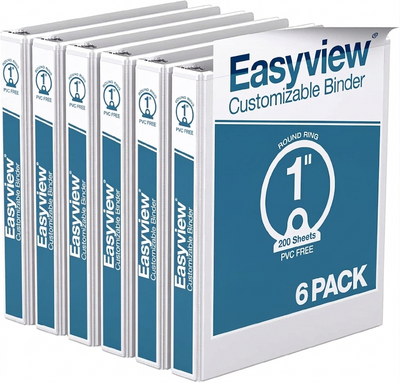
Measure the finished paper stack rather than selecting a binder from sheet count alone. Paper weight, tabs, sheet protectors, dividers, pockets, and folded inserts all increase the space required. The contents should turn comfortably without being forced against the rings or covers. An oversized binder can allow papers to sag and take up unnecessary storage space, while an undersized one can damage punched holes and make filing difficult. Ring binders and accessories can help when planning dividers, pockets, and other inserts that affect final capacity. Leave enough room for normal use or modest growth, but avoid buying significantly more capacity than the document is likely to need.

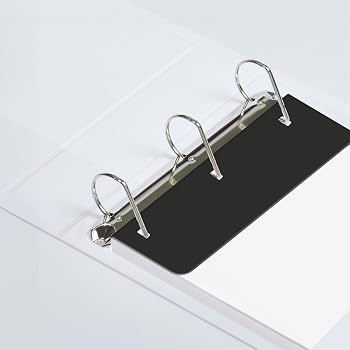
Round rings work well for routine filing, lighter capacities, and documents that are opened frequently without holding a very large stack. D-shaped rings keep the paper stack straighter along one side and generally use the binder’s capacity more efficiently. This makes them useful for thicker manuals, reference files, procedures, and records that must remain orderly. Ring shape should be considered together with binder construction and document use. A large ring capacity does not automatically mean the binder is suitable for heavy daily handling. Look at how the rings open, how securely they close, and whether the cover supports the weight of the contents. Pages should turn smoothly without catching at ring joints or pulling against punched holes.

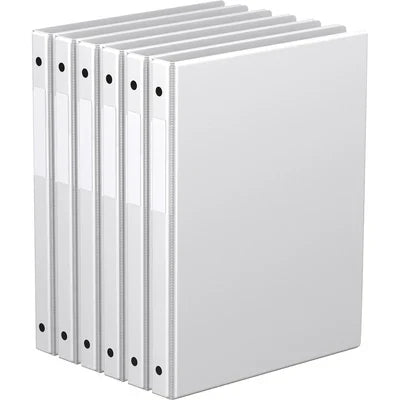
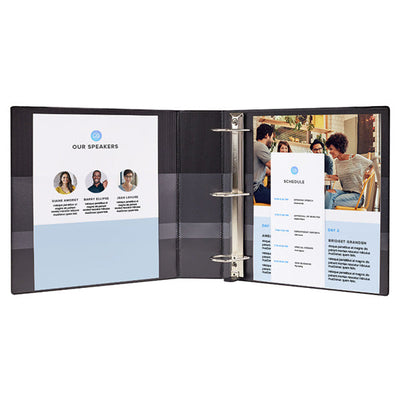
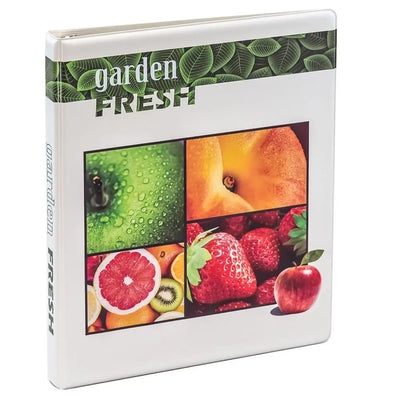
A view binder is useful when the cover or spine needs a replaceable title sheet, project label, branding insert, or other identification. This works well for training manuals, proposals, recurring reports, procedures, portfolios, and files whose contents may change while the binder remains in service. View binders allow the exterior identification to be updated without permanently printing or labeling the cover. A non-view binder may be preferable when a cleaner solid finish is wanted or when clear pockets could become scratched during heavy handling. Consider whether the spine will remain visible on a shelf because readable spine identification can save time in large filing systems.

For regular use, select a binder with a cover that can support the filled weight without folding excessively around the spine. Reinforced edges, durable hinges, secure ring mounting, and a surface that can be wiped clean may matter in offices, workshops, clinics, and shared reference areas. Lightweight binders are suitable for temporary projects and documents that travel infrequently. Heavy contents placed in a basic binder can pull on the ring mechanism and weaken the cover over time. Think about how the binder will be carried, stored, and opened rather than judging durability from thickness alone. A binder used flat on a desk faces different stress from one carried daily or repeatedly removed from tightly packed shelving.

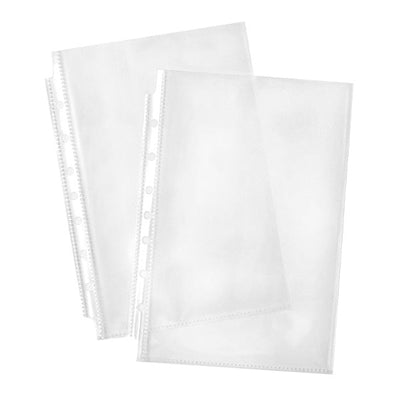
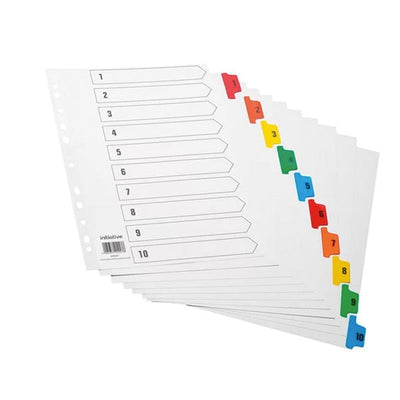
Useful accessories depend on how the contents are organized and handled. Index dividers make sections easier to locate, pockets hold loose items, and reinforcement labels can support sheets that are removed regularly. Sheet protectors are especially useful for documents that should remain visible while being protected from frequent handling, dirt, and torn punch holes. Labels and spine inserts can also improve identification when several binders are stored together. Match every accessory to the document size and ring pattern, and include its thickness when selecting binder capacity. Avoid adding bulky inserts that are not needed because they reduce usable space and can place uneven pressure on the rings.

Ring Binder Comparison

Ring Binder Comparison

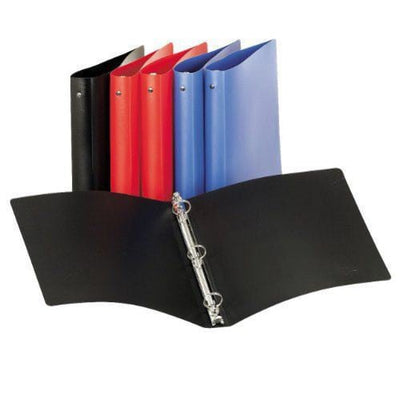
Welcome to MyBinding video. This is a ring binder comparison and hopes to help you decide which type of binder is best for you. We’ll be showing you 7 different types of Wilson Jones and Acco binders. First is the clear translucent Poly Binders. This is a flexible 3-ring see through binders and it’s got 2 pockets on the inside. It’s not impossible to fit an 8 ½ x 11 sheet in the pocket but smaller pages fit much easier. And this one has tabs on the side to open your rings. Next is the Basic Opaque Round Ring Binders. They’re a harder cover with 2 pockets on the inside. This one also has a standard 3-ring system. This is a Semi-Rigid ACCOHIDE Ring Binders. It’s a flexible plastic and has no pockets. It simply protects your pages within the binding and as expected, it has a standard 3-ring system. This is a Heavy Duty Hanging Vinyl Binder. It has a hard cover and two pockets on both insides. The overall is even a little more professional and like the others, it has tabs on the side to open the rings. This one even has a label tab on the outside. Pull out both the black tabs and you can even hang it in a file index cabinet. Next is a Non-Stick Flexible Binders. They have one pocket on the inside which is easily accessible. There’s even a little slot for a business card. It’s got tabs on the side to open the rings. You can insert a cover page on the front and side. Next up is the A4 International Binders. They have 4 rings and open only by pulling the rings. It has pockets on all sides. It’s specifically made to fit larger size international pages and it’s got a clear cover on the front side and the back. Lastly is the PRESSTEX Ring Binders. This one is like a more fancy and durable cardstock. It’s simply there to protect your pages. It’s got your basic 3-ring system. There are a few different options of what’s out there in the ring binding world. There are binders that fit different purposes, prices, colors, you name it. Hopefully this will help you decide what’s best for you and your needs. There are a few more things to keep in mind when choosing the right binder. As always, for more demos, reviews and how-to’s, go to MyBinding.com.

Featured Article Image

Ring Binders - An Overview

So you need a three ring binder. This shouldn't be a difficult task—you just grab one and go,
right? You could, but then you run the risk of grabbing the wrong one. Who knew there were so
many options for binders? Let's take a look together.


View or non-view binders—that is the question. A basic difference in binders is
whether or not the front cover is clear, allowing you to insert a cover, hence the name “view”
binder. The other option is plain, where the vinyl coating is the same all around. View binders
range from a simple clear cover to a complete clear wraparound. Clear binders allow you to insert
a customized sheet to help convey your ideas and are a great choice for presentations, trade
shows, and sales materials.


Size and color are big factors as well. Just about any style of binder comes in a
variety of sizes, with the most common being half, letter, oversize, legal, and tabloid. Many are
also available in international sizes such as A3 and A4. While most binders are white, a wide
range of colors is available—especially for non-view binders. Standard black, red, blue, green,
and many others are widely offered, along with translucent and textured options. When choosing
the correct size, be mindful of extras like index tabs and
page protectors. Some binders are designed to display or conceal these items when
closed.


Thickness is another important consideration. Binders range from as small as
1/2” up to 4”. Overfilling a binder makes pages hard to turn, while using a binder that’s too
large can look unprofessional. A good rule of thumb is about 100 sheets per half inch, though
those sheets will fit better in a one-inch binder than a half-inch one. Also consider future
growth—recipe books or employee records often expand over time. Along with thickness, think
about ring style. Binders typically come with round rings or D-rings, with
D-rings holding more paper.


Other considerations include specialty binders. Hanging binders may be ideal
for storage needs, and unique options such as double binders are also available. Many binders
include antimicrobial protection, which is useful in busy offices, and
eco-friendly binders are available for those looking to make a greener choice.


Many tools exist to help keep your binders organized. Sheet protectors come in
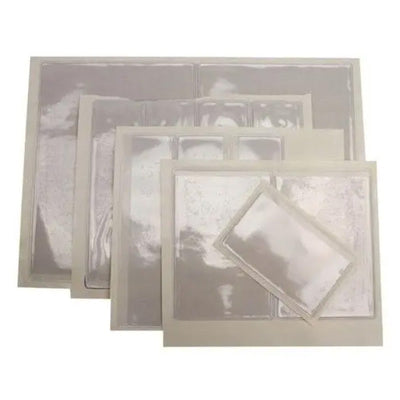
various sizes and capacities, with or without tabs. Adhesive pockets allow you
to add clear holders to nearly any surface. Sheet lifters prevent pages from
sticking to the binder covers, while zip pouches can store pens and small
supplies. Hole reinforcements help secure pages longer. These and other
accessories work together to keep your binder organized.


Looking for ways to organize materials without punching holes? You may be interested in
padfolios or clipboards. Padfolios hold notepads and often include slots for
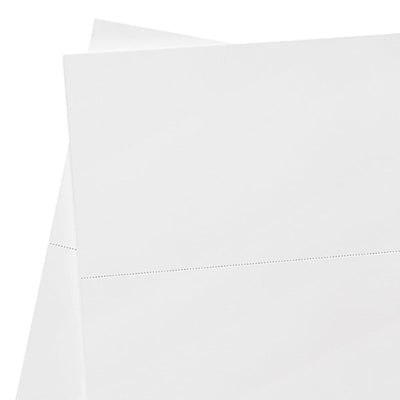
papers, business cards, and pens. We also offer reinforced paper,
prepunched healthcare paper, and perforated paper. Additional
items include door hangers, rotary file cards, notebooks, and other accessories.


Still have questions about the right binder for your needs? Give us a call and one of our experts
will be happy to help guide your selection.

Featured Blogs

View all
Binding101 2018 Best Sellers

Binding101 2018 Best Sellers

Here is a list of our top-selling equipment for 2018, across all product categories, by volume of...

Read More
DIY Booklets: How to Make Event Programs, Catalogs, & Magazines

DIY Booklets: How to Make Event Programs, Catalogs, & Magazines

From handmade zines to polished product catalogs, folded and bound booklets are a classic way to share...

Read More
How to Make Custom Calendars: A Step-by-Step Guide

How to Make Custom Calendars: A Step-by-Step Guide

Custom calendars aren’t just great for organization — they’re also an excellent product line for small businesses,...

Read More