So you need a three ring binder. This shouldn't be a difficult task—you just grab one and go,
right? You could, but then you run the risk of grabbing the wrong one. Who knew there were so
many options for binders? Let's take a look together.
View or non-view binders—that is the question. A basic difference in binders is
whether or not the front cover is clear, allowing you to insert a cover, hence the name “view”
binder. The other option is plain, where the vinyl coating is the same all around. View binders
range from a simple clear cover to a complete clear wraparound. Clear binders allow you to insert
a customized sheet to help convey your ideas and are a great choice for presentations, trade
shows, and sales materials.
Size and color are big factors as well. Just about any style of binder comes in a
variety of sizes, with the most common being half, letter, oversize, legal, and tabloid. Many are
also available in international sizes such as A3 and A4. While most binders are white, a wide
range of colors is available—especially for non-view binders. Standard black, red, blue, green,
and many others are widely offered, along with translucent and textured options. When choosing
the correct size, be mindful of extras like index tabs and
page protectors. Some binders are designed to display or conceal these items when
closed.
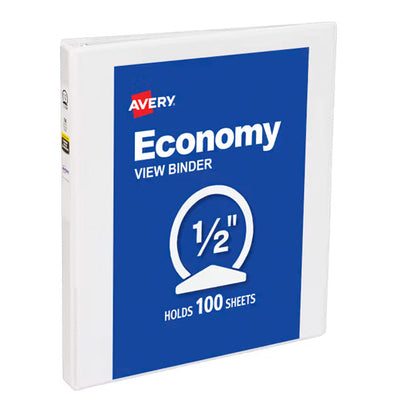
Thickness is another important consideration. Binders range from as small as
1/2” up to 4”. Overfilling a binder makes pages hard to turn, while using a binder that’s too
large can look unprofessional. A good rule of thumb is about 100 sheets per half inch, though
those sheets will fit better in a one-inch binder than a half-inch one. Also consider future
growth—recipe books or employee records often expand over time. Along with thickness, think
about ring style. Binders typically come with round rings or D-rings, with
D-rings holding more paper.
Other considerations include specialty binders. Hanging binders may be ideal
for storage needs, and unique options such as double binders are also available. Many binders
include antimicrobial protection, which is useful in busy offices, and
eco-friendly binders are available for those looking to make a greener choice.
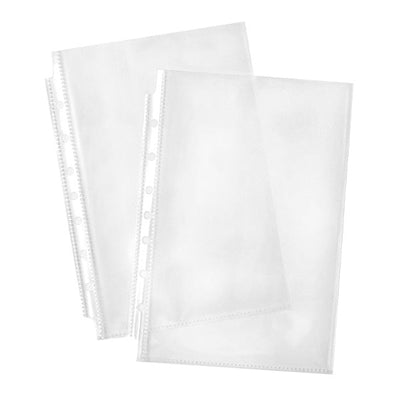
Many tools exist to help keep your binders organized. Sheet protectors come in
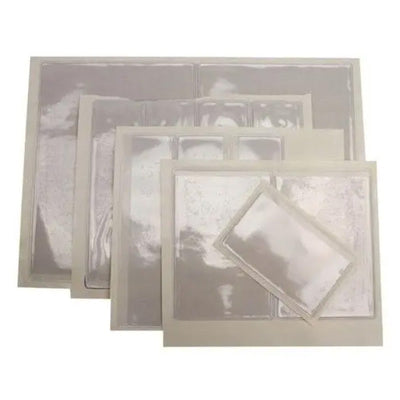
various sizes and capacities, with or without tabs. Adhesive pockets allow you
to add clear holders to nearly any surface. Sheet lifters prevent pages from
sticking to the binder covers, while zip pouches can store pens and small
supplies. Hole reinforcements help secure pages longer. These and other
accessories work together to keep your binder organized.
Looking for ways to organize materials without punching holes? You may be interested in
padfolios or clipboards. Padfolios hold notepads and often include slots for
papers, business cards, and pens. We also offer reinforced paper,
prepunched healthcare paper, and perforated paper. Additional
items include door hangers, rotary file cards, notebooks, and other accessories.
Still have questions about the right binder for your needs? Give us a call and one of our experts
will be happy to help guide your selection.