Fast Shipping. Reliable Service. Every Time.

Get your machines and supplies delivered quickly because deadlines shouldn’t wait.

Frequently Asked Questions

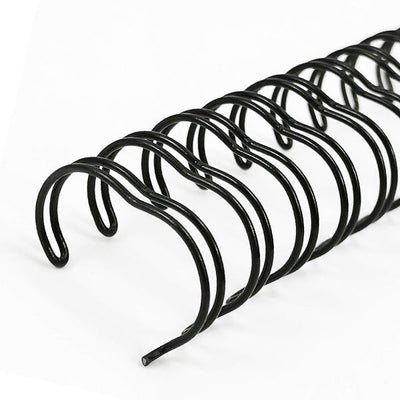
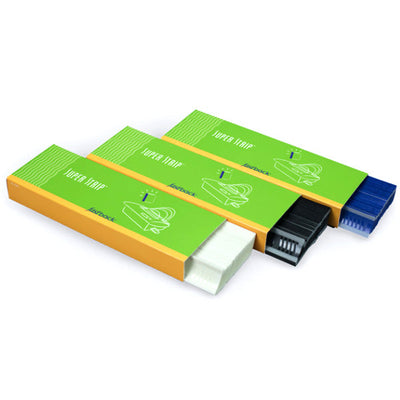
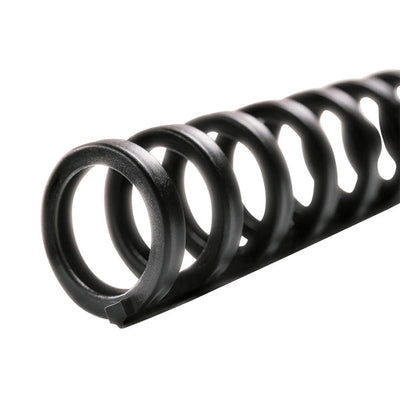
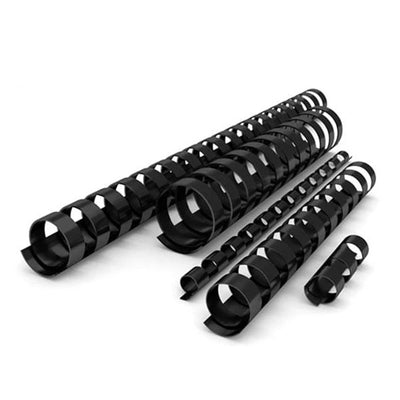
Match supplies to the machine type, punch pattern, and binding method before choosing color or finish. Coil machines need coil pitch that matches the holes. Wire machines need 2:1 or 3:1 wire that matches the punch. Comb machines need standard plastic combs for the rectangular 19-hole pattern. Fastback machines need compatible thermal adhesive strips, and thermal systems need covers with the correct spine size. A supply can look similar online and still be wrong for the machine. Check the machine manual, a sample bound document, or the punched sheet pattern before ordering. If several teams share supplies, label storage by method: spiral coil binding supplies, wire, comb, Fastback, and thermal.

Order around the documents you produce most often. First confirm the binding method: comb for easy edits, coil for flexible wraparound use, wire for final presentation work, or thermal and Fastback for a flat spine. Then order the matching spines, covers, and finishing tools. Coil workflows need crimpers. Wire workflows need a closer. Comb workflows need a comb opener built into the machine or available separately. Cover choices should fit the document purpose, not just the binding style. Clear fronts work for title sheets, while heavier backs add support. If you are setting up one shared station, keep a simple size guide nearby so users do not guess spine sizes.

Look at the punched document, not only the supply name. Coil, comb, and Wire-O supplies all use different hole patterns. Coil often uses round holes in pitches such as 4:1 or 5:1. Wire-O uses 2:1 or 3:1 rectangular or square patterns. Comb binding uses a 19-hole rectangular pattern along letter-size sheets. The wrong spine will not thread, close, or turn correctly. If an older machine has no clear label, punch a test sheet and compare the hole count and shape before ordering. For mixed departments, avoid storing all spines together. Keep wire supplies, combs, and coils separated by pitch and size.

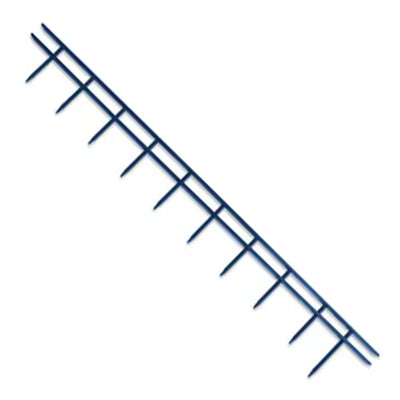
Choose comb binding when future edits are likely because plastic combs can be reopened to add, remove, or replace sheets. That makes comb useful for policies, drafts, training packets, and manuals that change often. Coil and wire are better for documents that need smooth turning or a more finished look, but they are not as simple to reopen cleanly. Thermal and Fastback styles are usually better for final documents because the spine is adhesive based. If editability is the main concern, use binding combs with covers that can handle repeated opening. For final client copies, move to wire, coil, or Fastback once the content is approved.

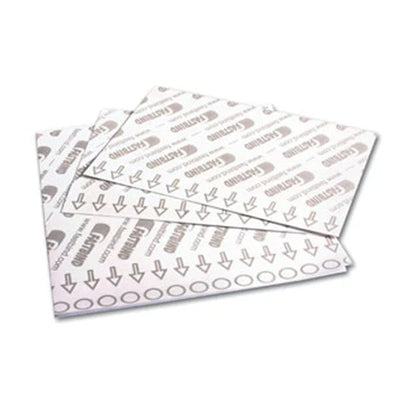
Use thermal or Fastback supplies when the finished document needs a flat spine without visible holes, combs, coils, or wire. These styles can give proposals, reports, manuals, and book-style documents a cleaner edge. They also reduce punching steps, which helps when the same type of document is produced often. Punched binding is better when the document needs to lie fully flat, fold back, or be edited later. Thermal and Fastback supplies work best when the content is final and the spine appearance matters. If the job needs adhesive-based binding, compare Fastback binding supplies with thermal covers before choosing the supply path.

Featured Blogs

View all
Binding101 2018 Best Sellers

Binding101 2018 Best Sellers

Here is a list of our top-selling equipment for 2018, across all product categories, by volume of...

Read More
DIY Booklets: How to Make Event Programs, Catalogs, & Magazines

DIY Booklets: How to Make Event Programs, Catalogs, & Magazines

From handmade zines to polished product catalogs, folded and bound booklets are a classic way to share...

Read More
How to Make Custom Calendars: A Step-by-Step Guide

How to Make Custom Calendars: A Step-by-Step Guide

Custom calendars aren’t just great for organization — they’re also an excellent product line for small businesses,...

Read More