Fast Shipping. Reliable Service. Every Time.

Get your machines and supplies delivered quickly because deadlines shouldn’t wait.

Frequently Asked Questions

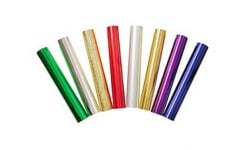
The foil width must fit both the machine and the printed area receiving the foil. A roll that is too wide may waste material, while one that is too narrow may leave parts of the design uncovered. Measure the widest area that will be foiled and allow enough material for reliable feeding and alignment. You should also confirm the maximum media width accepted by your laminator or foil fuser. The available laminating foil supplies include different widths, lengths, finishes, and core formats, so width should not be selected in isolation. For repeated jobs, choose a roll that covers the design without requiring excessive trimming. Testing a short section first can also help confirm that the foil tracks evenly through the machine.

The roll should fully cover the toner-printed or adhesive-coated portion of the design. A small amount of extra width on each side makes alignment easier and reduces the risk of missing an edge. However, using a much wider roll than necessary creates avoidable waste, especially during long production runs. Measure the printed design rather than the full sheet when only part of the sheet will receive foil. If several designs are arranged across one sheet, base the width on the full foiling area. Keep the foil flat as it enters the machine so wrinkles do not cross the printed sections. Consistent margins are especially useful when processing repeated certificates, cards, covers, or invitations that must have matching foil placement.

Estimate the number of sheets, the length of foil required for each pass, and the amount normally lost during setup or trimming. Shorter rolls can suit occasional projects, testing, and small batches because they are easier to store and require a lower initial purchase. Longer rolls reduce roll changes during regular production and may provide better value when the same size is used frequently. A common format such as 12-inch by 100-foot laminating foil may suit smaller production runs when its width matches the equipment and artwork. Include extra material for test runs, alignment, and machine feeding. When several finishes are used in smaller quantities, separate shorter rolls may be more practical than holding a large amount of each finish.

Foil can sometimes be slit to a narrower width, but the cut must remain straight and the roll must still feed smoothly. Uneven edges, wrinkles, or loose winding can cause tracking problems and inconsistent foil transfer. Hand trimming is rarely suitable for long production rolls because maintaining an even width is difficult. Ordering a width close to the actual design is generally more dependable and reduces preparation time. When trimming is necessary, use equipment designed for clean roll cutting and protect the foil surface from scratches, dust, and fingerprints. Confirm that the narrower roll can still be positioned securely on the machine’s holder or mandrel. A poorly supported roll may move sideways during feeding and leave parts of the printed design uncovered.

The core must fit the machine’s roll holder, shaft, or mandrel. Even when the foil width and finish are correct, an incompatible core can prevent the roll from mounting securely or feeding with proper tension. Check the machine manual or measure an existing approved roll before ordering. The options available by laminating foil core size can help narrow the selection once the correct equipment requirements are known. Also consider the roll’s outside diameter, especially when using longer rolls, because some machines have limited clearance around the supply holder. A properly fitted roll should rotate freely without wobbling, slipping, or pulling unevenly across the printed material.

Featured Blogs

View all
Binding101 2018 Best Sellers

Binding101 2018 Best Sellers

Here is a list of our top-selling equipment for 2018, across all product categories, by volume of...

Read More
DIY Booklets: How to Make Event Programs, Catalogs, & Magazines

DIY Booklets: How to Make Event Programs, Catalogs, & Magazines

From handmade zines to polished product catalogs, folded and bound booklets are a classic way to share...

Read More
How to Make Custom Calendars: A Step-by-Step Guide

How to Make Custom Calendars: A Step-by-Step Guide

Custom calendars aren’t just great for organization — they’re also an excellent product line for small businesses,...

Read More