Fast Shipping. Reliable Service. Every Time.

Get your machines and supplies delivered quickly because deadlines shouldn’t wait.

Frequently Asked Questions

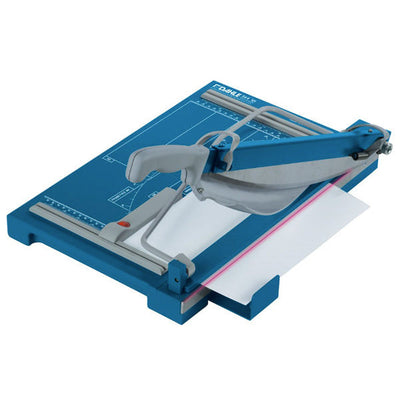
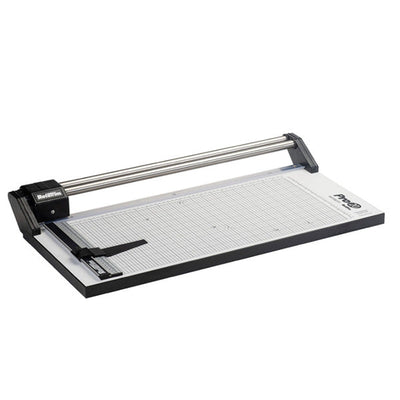
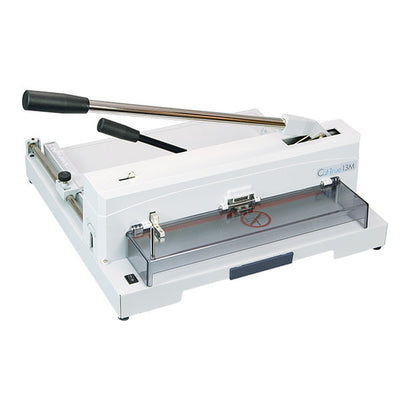
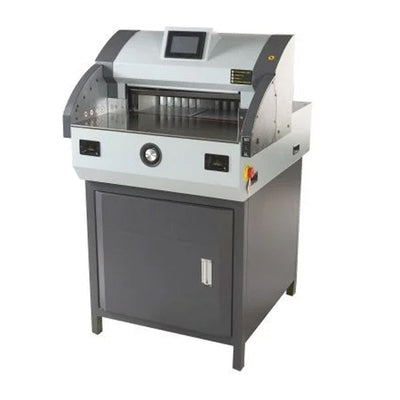
Choose a paper cutter based on the materials you work with, the number of sheets you normally cut, the required cutting length, available workspace, and how frequently the machine will be used. Rotary trimmers are useful for controlled, precise trimming of individual sheets, photos, laminated documents, and smaller stacks, while guillotine cutters are suited to fast straight cuts through multiple sheets. Heavy duty paper cutters and stack cutters are designed for thicker batches and repeated production work.

Choose sheet capacity based on the stack size you cut regularly rather than the largest job you may occasionally handle. Desktop cutters are generally suited to smaller quantities, while commercial and heavy duty paper cutters can process thicker stacks. Paper weight and material also affect practical capacity, so cardstock, coated stock, or laminated sheets may reduce the number of sheets that can be cut at one time. For thicker stacks, paper cutter jogging blocks can help square and align sheets before cutting for more consistent results.

Choose a cutting length that can accommodate the longest edge of the sheets you regularly need to trim. Standard document work may only require a smaller desktop cutter, while legal-size, tabloid, posters, graphics, and other oversized materials require a longer cutting area. Compare the machine’s maximum cutting length with the sheet sizes used most often in your workflow rather than choosing an oversized machine for occasional larger jobs.

Many paper cutters can handle materials beyond standard copy paper, but compatibility depends on the cutter type and rated capacity. Guillotine cutters can work well with cardstock and heavier paper, while rotary trimmers are often useful for laminated documents because of their controlled cutting action. Thicker materials can reduce practical sheet capacity, so always check the specifications of the individual machine before cutting.

Useful safety features can include blade guards, enclosed rotary blades, blade locks, paper clamps, stable bases, safety shields, and controlled blade-return mechanisms. Higher-capacity or powered paper cutter machines may also include two-hand controls or other systems designed to keep hands away from the cutting area. When exposed blades need to be handled, changed, or stored, compatible paper cutter knife guards can provide additional protection during handling. Always follow the manufacturer’s operating instructions and rated capacity.

What to Consider When Buying a Paper Cutter

A paper cutter should match the materials you work with, the size of the sheets, and how often the machine will be used. Smaller paper cutters are suitable for everyday documents, photos, cardstock, and light trimming, while a heavy duty paper cutter or larger paper cutter machine is better suited to thicker stacks and frequent production work.

Match Capacity to Your Workload

Check the cutting length and sheet capacity against the jobs you handle most often. Higher-capacity machines are useful for larger stacks, but paper weight, cardstock, and laminated materials can reduce the number of sheets a cutter can handle at one time. Choosing a machine that fits your normal workload can help maintain cleaner cuts and avoid unnecessary strain on the cutter.

Compare Accuracy and Safety Features

Features such as measurement guides, paper clamps, back gauges, cutting-line indicators, and adjustable stops can help improve alignment and repeatability. Safety features may include blade guards, enclosed cutting mechanisms, blade locks, safety shields, or two-hand controls on larger machines. Compare these features along with available workspace and material compatibility when reviewing paper cutters for sale.

Featured Blogs

View all
Binding101 2018 Best Sellers

Binding101 2018 Best Sellers

Here is a list of our top-selling equipment for 2018, across all product categories, by volume of...

Read More
DIY Booklets: How to Make Event Programs, Catalogs, & Magazines

DIY Booklets: How to Make Event Programs, Catalogs, & Magazines

From handmade zines to polished product catalogs, folded and bound booklets are a classic way to share...

Read More
How to Make Custom Calendars: A Step-by-Step Guide

How to Make Custom Calendars: A Step-by-Step Guide

Custom calendars aren’t just great for organization — they’re also an excellent product line for small businesses,...

Read More