Fast Shipping. Reliable Service. Every Time.

Get your machines and supplies delivered quickly because deadlines shouldn’t wait.

Frequently Asked Questions

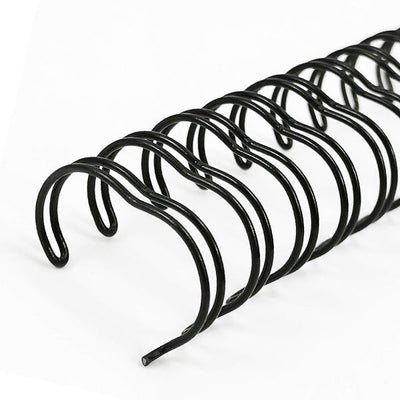
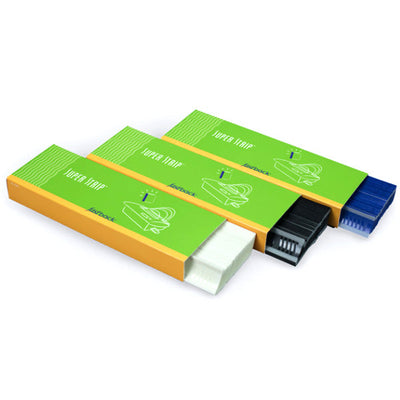
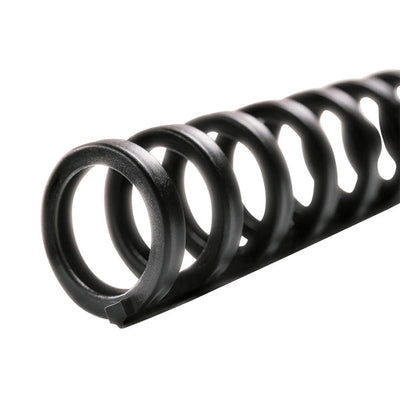
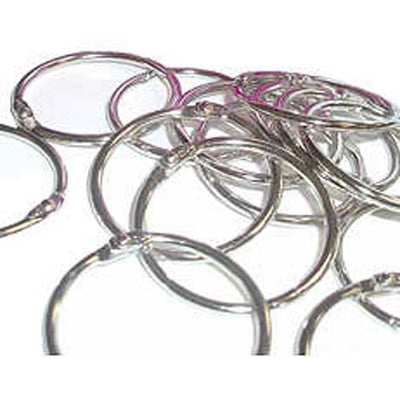
Choose binding supplies by matching them to your binding method, punch pattern, and document size. Comb, coil, wire, thermal, strip, and ring-style supplies are not interchangeable. A document punched for one pattern will not accept another spine style cleanly. After confirming the binding style, consider page count, paper weight, cover thickness, divider sheets, index tabs, and whether the document needs to open flat or allow later edits. These details affect spine size and finished fit. If you are also replacing or adding equipment, review compatible binding machines before ordering supplies in bulk, because the machine determines which sizes, pitches, and supply types can be used.

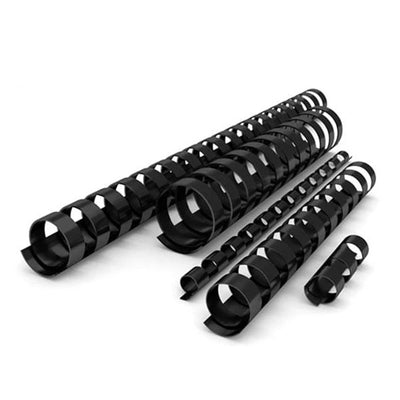
Comb supplies are practical when documents may need page changes later, because plastic combs can be reopened. Coil is a strong fit for manuals, workbooks, and reference documents that need pages to turn easily and fold back. Wire gives a clean, formal look for proposals, reports, calendars, and client-facing pieces, but it is not the best option when frequent edits are expected. Thermal covers create a smooth book-like edge without punched holes, but the spine size must closely match the document thickness. The right supply choice depends on how the finished piece will be used, how often it will be handled, how polished it needs to look, and whether updates are likely.

Spine size should be based on the real thickness of the finished stack, not page count alone. Standard copy paper, heavier paper, clear front covers, cardstock backs, tabs, divider sheets, and laminated inserts all change the thickness. A spine that is too small makes pages hard to turn and can damage the punched edge. A spine that is too large looks loose and may feel unfinished. For repeat jobs, build one complete sample stack with every cover and insert included, then measure the binding edge before choosing the supply size. This is especially useful for teams that reorder the same manuals, training packets, or presentation books and need the finished result to stay consistent.

Cover choice depends on durability, appearance, and how the document will be handled. Clear front covers work well when the title page or branded first page should show through. Solid backs add support and make the document feel more finished. Paper covers are often enough for internal reports and short-term use, while plastic or poly covers are better for menus, reference guides, training materials, and frequently handled pieces. Color choices are usually driven by logo colors, department standards, filing systems, or brand consistency, not just personal preference. Compare binding covers with the spine style you plan to use so the finished document feels balanced and durable.

Order larger quantities when your team repeats the same document type often, uses standard brand colors, or needs consistent supplies across departments or locations. Bulk ordering can also reduce delays when deadlines are tight, especially for common comb, coil, wire, cover, and tab combinations. Before buying more, confirm the spine size, pitch, color, document size, and material are correct for your current machines. This matters when equipment changes, because a new machine may use a different hole pattern or pitch. It is also smart to keep a small range of nearby spine sizes on hand. Heavier paper, extra tabs, or thicker covers can make a familiar job need the next size up.

Featured Blogs

View all
Binding101 2018 Best Sellers

Binding101 2018 Best Sellers

Here is a list of our top-selling equipment for 2018, across all product categories, by volume of...

Read More
DIY Booklets: How to Make Event Programs, Catalogs, & Magazines

DIY Booklets: How to Make Event Programs, Catalogs, & Magazines

From handmade zines to polished product catalogs, folded and bound booklets are a classic way to share...

Read More
How to Make Custom Calendars: A Step-by-Step Guide

How to Make Custom Calendars: A Step-by-Step Guide

Custom calendars aren’t just great for organization — they’re also an excellent product line for small businesses,...

Read More