Fast Shipping. Reliable Service. Every Time.

Get your machines and supplies delivered quickly because deadlines shouldn’t wait.

Frequently Asked Questions

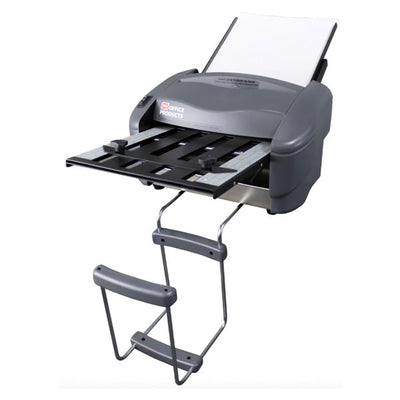
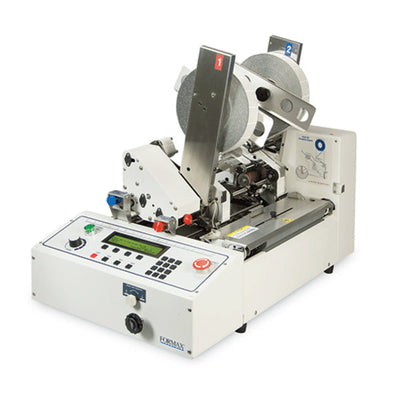
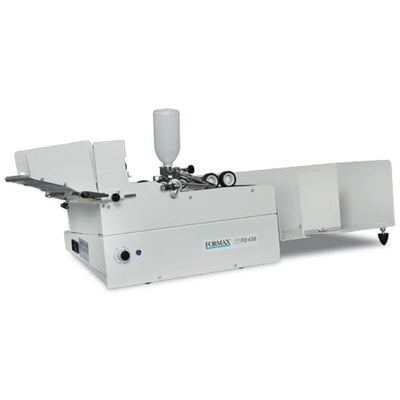
Start with the task that takes the most staff time. If your team spends hours folding letters, invoices, or notices, begin with paper folders. If the slowest step is stuffing envelopes, look at inserting equipment. If incoming mail creates delays, a letter opener may help. For outbound campaigns, folded self-mailers may need tabbing, sealing, or labeling equipment. The best first purchase is not always the largest machine. It should solve the biggest bottleneck in your current mail process. Review your daily mail volume, job frequency, document size, envelope type, and deadline pressure before choosing.

Choose based on where the mail process breaks down. Folding equipment prepares sheets for mailing. Inserting equipment places folded documents into envelopes. Sealing equipment closes envelopes faster and more consistently than hand sealing. Some offices need only one of these tools, while larger mailrooms may need a connected workflow. If your team already folds quickly but loses time stuffing envelopes, envelope inserters may help more than another folder. If sealed envelopes are the issue, an envelope sealer may be enough. Map the process from printed sheet to outgoing mail before buying.

Automation starts to make sense when manual mail handling causes delays, errors, or too much repeated labor. A small office may only need basic tools for opening, moistening, or sealing envelopes. A larger office, billing department, print room, or mailroom may need machines that fold, insert, seal, sort, or tab mail at higher speeds. Look at the number of pieces processed per day, how often jobs repeat, and how many people are involved. If mail preparation takes hours every week, equipment can improve consistency and help staff spend less time on repetitive handling.

Choose one machine if one step clearly slows your team down. Build a full workflow if several steps depend on each other. For example, invoices may need printing, folding, inserting, sealing, and sorting. Brochures or newsletters may need folding, tabbing, and labeling. A single machine can solve a narrow problem, but a linked process can reduce handoffs and errors. For incoming mail, letter openers may be enough. For outbound mail campaigns, multiple machines may be needed. The right setup depends on the complete mail path, not one task alone.

Check mail volume, document size, envelope size, paper weight, fold type, available space, and operator skill level. Also confirm that the machine works with your current forms, envelopes, labels, or tabs. A machine that is too small may require constant reloading, while a machine that is too large may be more than your team needs. Maintenance and supplies should also be part of the decision. For secure forms, checks, invoices, or statements, pressure sealing may be a better workflow than folding and inserting envelopes. Always match the equipment to real daily tasks.

Featured Blogs

View all
Binding101 2018 Best Sellers

Binding101 2018 Best Sellers

Here is a list of our top-selling equipment for 2018, across all product categories, by volume of...

Read More
DIY Booklets: How to Make Event Programs, Catalogs, & Magazines

DIY Booklets: How to Make Event Programs, Catalogs, & Magazines

From handmade zines to polished product catalogs, folded and bound booklets are a classic way to share...

Read More
How to Make Custom Calendars: A Step-by-Step Guide

How to Make Custom Calendars: A Step-by-Step Guide

Custom calendars aren’t just great for organization — they’re also an excellent product line for small businesses,...

Read More
