Fast Shipping. Reliable Service. Every Time.

Get your machines and supplies delivered quickly because deadlines shouldn’t wait.

Frequently Asked Questions

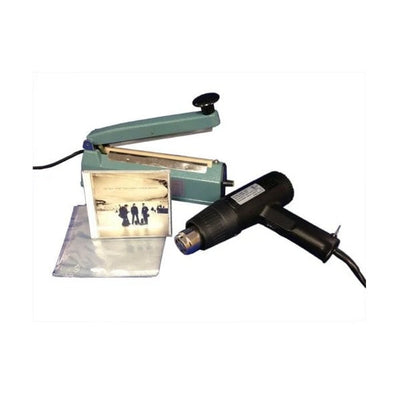
Choose by the product being packed, not by the machine name. Shrink wrapping works when the item needs full film coverage, a cleaner retail look, or added surface protection. Banding machines are better for grouping printed stacks, cards, bundles, trays, or small cartons without covering the full item. Strapping equipment is used when heavier cartons or shipping loads need stronger tension. Bag sealing fits products already placed in bags that need a clean closure. Match the method to size, weight, handling risk, package appearance, and daily volume. A neat package still fails if the closure method is too light for the load.

Shrink wrap is the better choice when the item needs full coverage, tamper resistance, dust protection, or a polished customer-facing finish. It can work well for grouped products, kits, boxed goods, and printed sets that should stay clean during storage or delivery. Banding is better when the goal is simple bundling with less material and faster handling. A band can hold stacks or small cartons together, but it does not cover the entire surface. If the product will be seen by a customer before opening, shrink wrap equipment may give a more finished look. Also consider heat sensitivity, film type, operator skill, package corners, and storage needs.

Look at footprint, operator steps, package size range, supply cost, and how often the same job repeats. A compact machine can save space, but it still needs room for loading, sealing, trimming, cooling, and finished output. Manual tools may be enough for occasional packing. Powered systems become more useful when the same package type is produced every day. Also confirm the consumables before buying the machine, such as film, straps, bands, bags, or sealing tape. If several people will use the equipment, simple controls and easy supply loading matter. A small production room should avoid equipment that needs more setup space than the package volume justifies.

Begin with the item’s weight, shape, edges, and travel path. Light printed materials or small product groups may only need banding or bag sealing. Heavier cartons, shipping bundles, or loads moved through a warehouse usually need strapping because tension strength matters more than appearance. Retail kits, sample packs, and customer-facing items may benefit from shrink wrap because it covers the surface and helps keep components together. Sharp corners can puncture film, loose items can shift inside bags, and heat-sensitive products may not suit shrink wrapping. Think through how the package will be lifted, stacked, stored, mailed, or opened. The equipment should protect the product without adding slow steps.

Plan for supplies, workspace, power, safety, training, and reordering. Shrink wrap workflows may need film, sealing tools, and enough room for heat application. Banding systems need compatible band material and a clean feed path. Strapping requires the correct strap material, tension control, and safe trimming. Bag sealing depends on bag size, seal width, and product fit. Buying equipment before checking consumables can lead to weak seals or supplies that do not load correctly. Keep common package sizes, daily volume, and finished packaging goals in a simple buying note. Also decide where supplies will be stored and who will maintain the machine. A good packing setup should reduce handling, not add confusion.

Featured Blogs

View all
Binding101 2018 Best Sellers

Binding101 2018 Best Sellers

Here is a list of our top-selling equipment for 2018, across all product categories, by volume of...

Read More
DIY Booklets: How to Make Event Programs, Catalogs, & Magazines

DIY Booklets: How to Make Event Programs, Catalogs, & Magazines

From handmade zines to polished product catalogs, folded and bound booklets are a classic way to share...

Read More
How to Make Custom Calendars: A Step-by-Step Guide

How to Make Custom Calendars: A Step-by-Step Guide

Custom calendars aren’t just great for organization — they’re also an excellent product line for small businesses,...

Read More