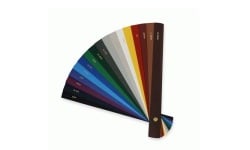
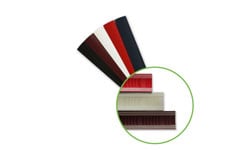
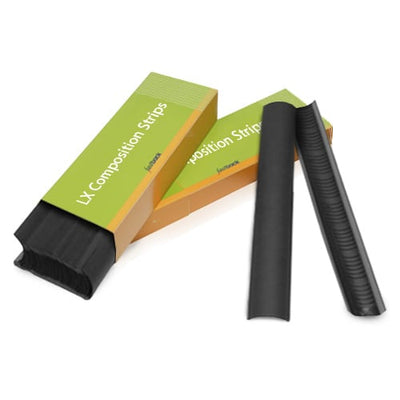
Create durable reports, presentations, manuals, and booklets with Fastback 20 strips from the broader Fastback Binding Supplies collection. Fastback 20 Supplies includes Super Strips, Composition Strips, Perfectback Strips, CP Strips, and Image Strips for different binding requirements, while the broader Fastback Binding Supplies collection includes multiple strip families, hard cases, clear covers, and other compatible supplies for Fastback binding systems.
Create durable reports, presentations, manuals, and booklets with Fastback 20 strips from the broader Fastback Binding Supplies collection. Fastback 20 Supplies includes Super Strips, Composition Strips, Perfectback Strips, CP Strips, and Image Strips for different...
Create durable reports, presentations, manuals, and booklets with Fastback 20 strips from the broader Fastback Binding Supplies collection. Fastback 20 Supplies includes Super Strips, Composition Strips, Perfectback Strips, CP Strips, and Image Strips for different binding requirements, while the broader Fastback Binding Supplies collection includes multiple strip families, hard cases, clear covers, and other compatible supplies for Fastback binding systems.
Choose the strip by machine compatibility, document thickness, finish, and whether the book needs special handling. The Fastback 20 supply group includes Super Strips, Composition Strips, Perfectback Strips, CP Strips, and Image Strips. Fastback guidance says Super Strips are designed for Fastback 20 and use a barcode that sets the machine temperature and timing automatically. Composition Strips are also compatible with Fastback 20 and give a refined fabric-style look. CP Strips are for very thick or hard-to-bind documents. For a wider supply check, compare Fastback binding supplies. Do not swap strip types without checking the machine and document purpose.
No. Fastback guidance separates LX Strips from Super Strips. LX Strips are designed for Fastback 9, support re-editing up to two times, and do not carry a barcode. Super Strips are designed for Fastback 20, are permanent after binding, and carry a barcode that sets the machine’s heat and bind cycle. That barcode workflow is a key reason buyers choose Fastback 20 supplies for production jobs. If your machine is Fastback 20, compare Fastback Super Strips by length, width, and color. If your machine is Fastback 9, do not assume the same strip choice will work.
Use Composition Strips when the finished document needs a more polished, fabric-style spine or when it will be paired with composition-style covers. Fastback guidance lists Composition Strips as compatible with Fastback 9, 11, 15xs, and 20 systems, and available in narrow, medium, and wide widths. They are not meant for later editing, so use them for final reports, presentation books, manuals, and formal documents. Match the strip width to the final stack thickness and the strip length to the binding edge. For finish matching, compare Fastback Composition Strips before choosing only by color.
Choose strip width from the finished document thickness, including covers, tabs, inserts, coated paper, and any heavier sheets. Sheet count alone can mislead because different paper weights create different spine thicknesses. Narrow strips fit thinner books, medium strips fit mid-range reports, and wide strips are used for thicker documents. CP Strips are listed in Fastback guidance for very thick documents, including hard-to-bind papers and 250 to 350 page ranges. Run one sample when switching paper type, strip type, or cover style. If the strip is too narrow, pages may not seat securely. If it is too wide, the spine can look loose or poorly matched.
Most Fastback 20 strip choices should be treated as permanent binding supplies. Fastback guidance notes that Super Strips are permanent after binding, while LX Strips are the editable option and are associated with the Fastback 9 workflow. Composition and CP Strips are also not positioned as editable supplies. That means the document should be proofed before binding. Check page order, title sheets, insert sheets, cover alignment, and thickness before the production run. If a job is still changing, use a binding style that supports edits or wait until the file is final. Permanent thermal strip binding looks clean, but fixing page mistakes after binding can waste covers, strips, and operator time.