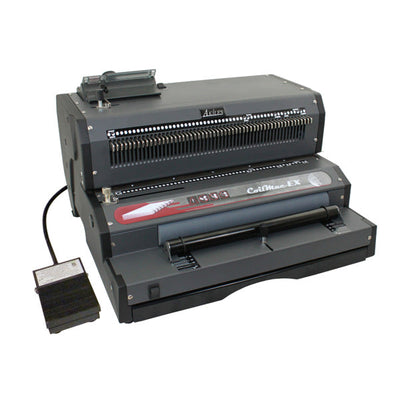
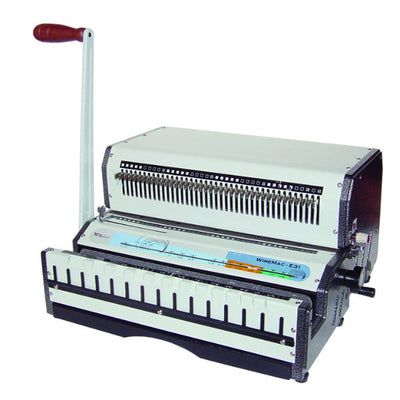
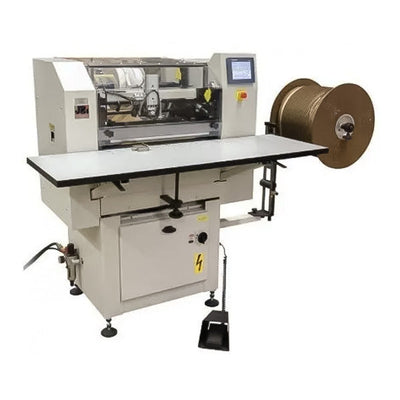
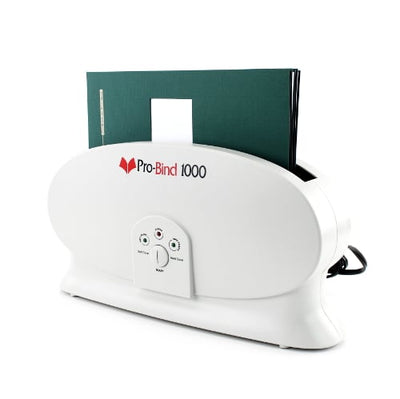
Binding machines make it easy to create presentation materials for both internal and external use.
The tricky part can be selecting the correct machine for your finishing needs.
When choosing a specific binding style, it’s important to consider not only the available options
but also your specific usage. Do you need a basic bind for internal reports? Does your document
need to be easily edited? Do you need a professional look? Does the bind need to allow your
materials to lay flat? Will you need to mail the finished documents? How important is security?
How many pages will you need to bind? These are just a few of the things you’ll want to keep in
mind when shopping for a binding machine.
Now let’s take a closer look at your options.
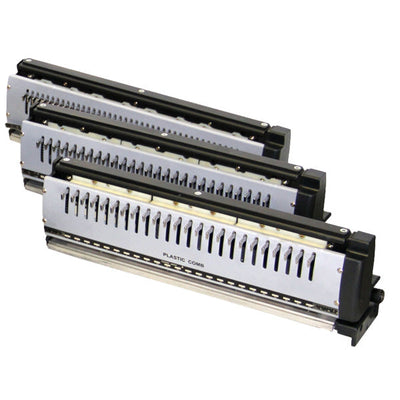
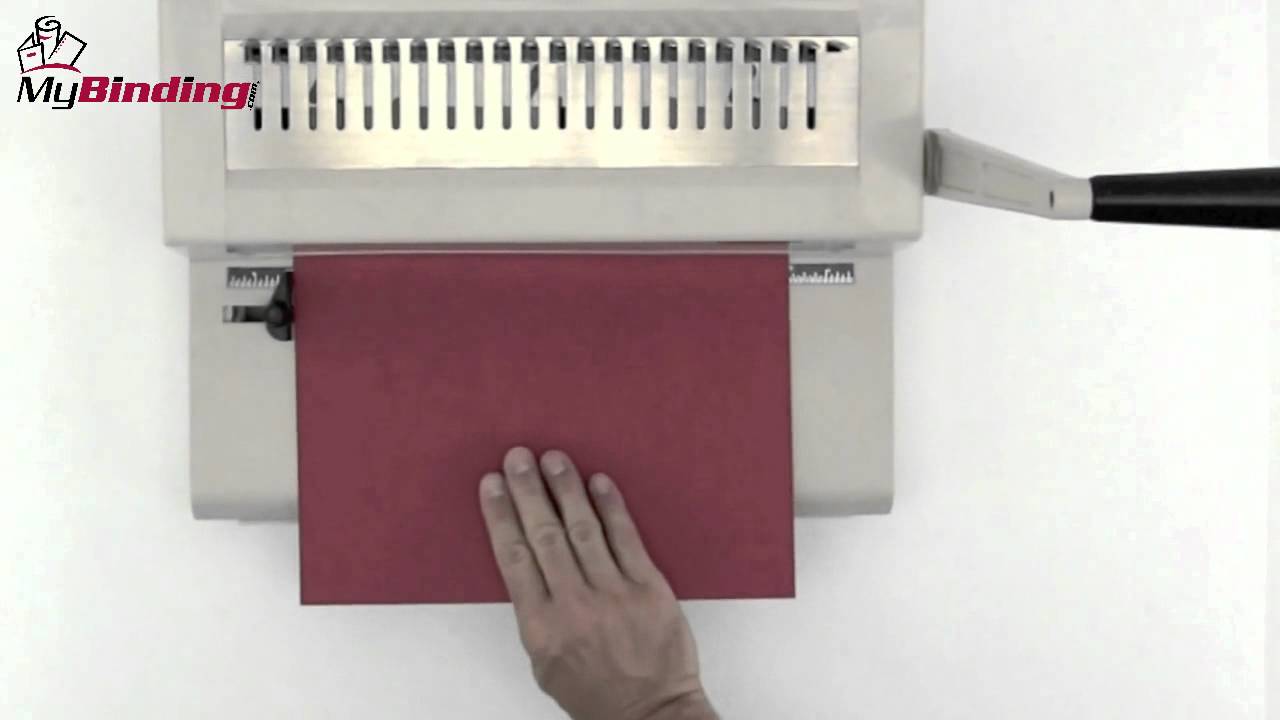
Plastic comb:
This is by far the most popular bookbinding method, often seen in schools, libraries, and other
offices. Quick and simple, comb binding offers a basic closure for documents up to 425 pages that
can lay flat for reading or photocopying. The supplies are available in a large variety of sizes
and colors and can be personalized with a name, logo, or both. Comb binding is ideal for those
looking for a quick cost-effective way to bind items that don’t need staying power or an overly
professional look.
Color coil or spiral:
This is another popular method and it is used for marketing materials, reports, and more. The
coils come in more than 50 different colors. With a large selection of colors, it is really easy
to find supplies that will complement your work. This style is a good choice as well as you can
mail them and they will stay in shape. You can bind work up to 440 pages long with this method.
The one unfortunate drawback with this method is that it can be tricky to bind longer documents.
Of course, the more you do it, the easier it will get.
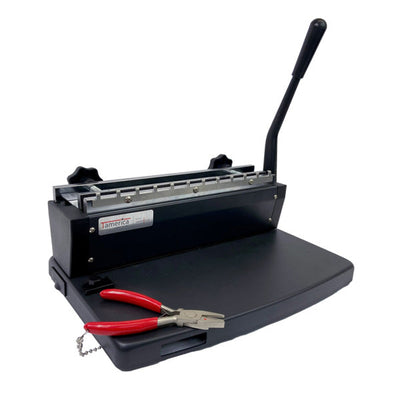
Twin-loop wire:
This is a great method to use if you need your documents to look professional and presentable.
Wires come in a handful of colors including silver and bronze. Two hole patterns are offered and
the one utilized depends on the size of the wire you are using. Spines ranging in diameter from
3/16” to 9/16” use a 3:1 hole pattern (three holes punched per inch) and can bind items containing
110 pages or less. The others use a 2:1 pattern and are 5/8” to 1-1/2” thick. These supplies are
for documents that are 125 to 250 pages. The one drawback to this method is that the wires can be
crushed in the mail. Be sure to consider this if you’re going to need to send your work to someone.
Other than that, they offer a sturdy, minimalistic bound look.
Thermal:
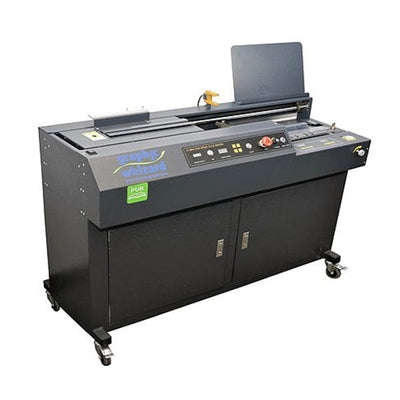
This form is perfect for documents requiring a highly polished look. Once you have the equipment,
all you need to do is place the pages in either a hardback or paperback cover and stick the book in
the machine. The heat inside the device will cause the adhesive to melt a bit, securing the pages.
The covers can be used with documents containing up to 500 pages. Covers can be customized,
making this method perfect for yearbooks, anthologies, and anything else requiring a polished
look. Keep in mind that thermal binding is more expensive than the other methods listed in this
article. However, the results are usually worth the cost.
Fastback:
Fastback, from Powis Parker, offers a sleek and slim finish, which is ideal for mailing, storage,
and stacking. Documents secured by Fastback binding have a professional perfect bound look to
them. This is one of the fastest methods available. It’s also an eco-friendly form of binding from
a green company, Powis Parker. Fastback offers extra versatility, allowing you to complete tape
binding, perfect binding, and photo book binding styles in a single machine. The supplies needed
come in both hard and soft back options with a wide selection of sizes, colors, and textures.
Combination:
These machines are a great tool to have around if you need to put together both internal
documents and presentations for clients. They offer different binding options combined into one
machine. They tend to be more expensive, but they are perfect for busy offices with wide
varieties of uses.
VeloBind:
If you’re looking for security, this style of binding will keep your documents secure and
un-editable. They have a strong, durable spine that gives your documents a minimal look—very
professional. They can bind together up to 750 pages. The only disadvantage is that materials
cannot lay flat.
ProClick:
Binding with GBC ProClick machines and spines gives documents a finished, professional look
while still allowing easy editing. These spines hold up to 125 sheets of paper and can be folded
over 360 degrees.
Other:
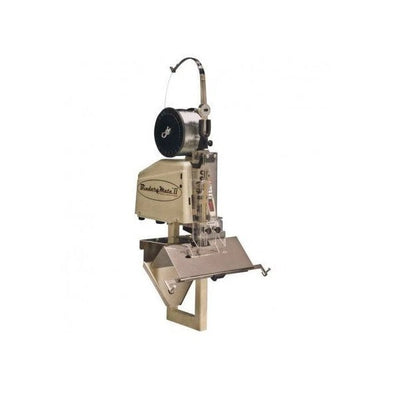
Non-punch styles include stapling, metal binding, metal binding rings, and screw posts. These
options are ideal for smaller projects, laminated materials, or high-usage documents.
With all these options, you are sure to find one offering the style you need at a price that fits
your budget. Still have more questions? Give us a call and we’ll be happy to help you find the
right machine for you.