How to Choose Laminating Equipment
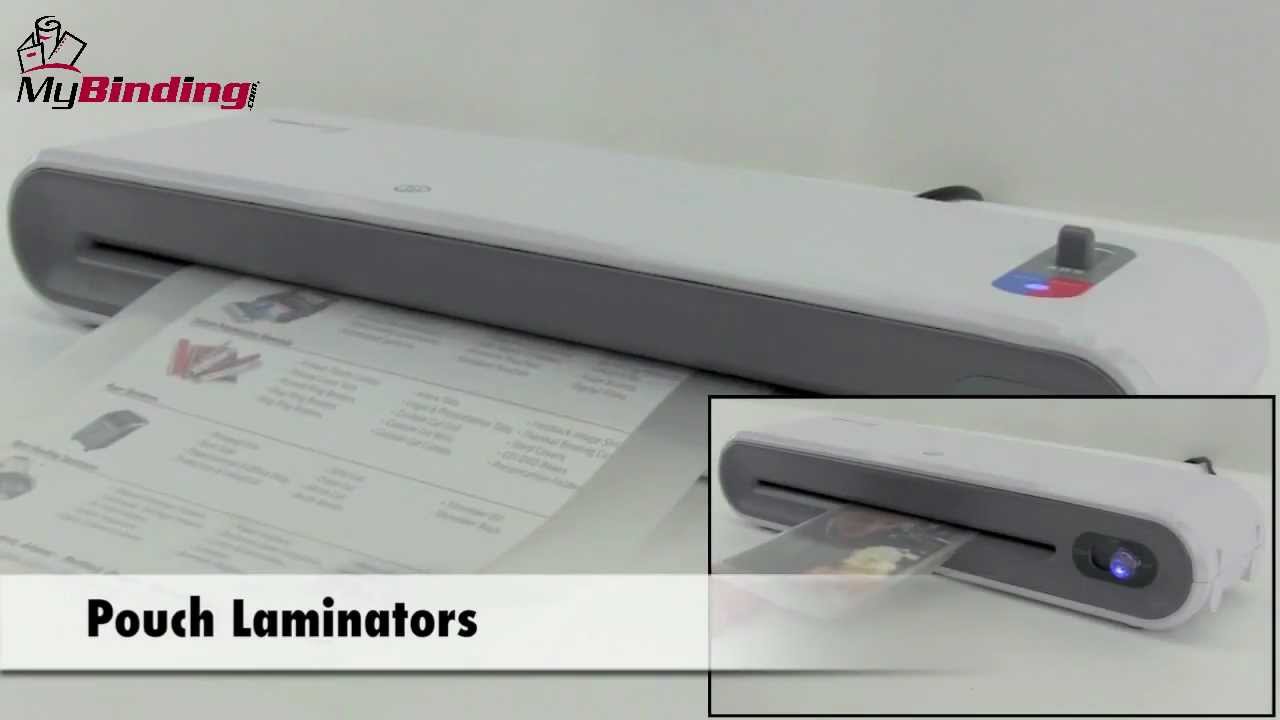
The right laminator depends on three factors: what you laminate, how often, and how big the documents are. Pouch laminators are the most common starting point, accepting pre-sized sleeves that seal around standard document sizes from business cards to letter and legal pages. Roll laminators load continuous film and run through anything that fits the throat width, so they are the better choice for posters, banners, menus, and high-volume runs.
Cold laminators use pressure-activated adhesive instead of heat, which makes them the safer choice for inkjet prints, photographs, and any document where heat could smear ink or distort the substrate. Foil laminator machines and specialty units extend the same machines into decorative finishing for invitations, certificates, and packaging.
Pouch vs Roll vs Cold Laminating Equipment
| Type | Best For | Document Width | Speed |
|---|
| Pouch laminator | ID badges, letter and legal documents, menus, business cards | 4 to 18 inches | Inches per minute |
| Roll laminator | Posters, banners, signs, menus, mounting, batch jobs | 12 to 60 inches | Feet per minute |
| Cold laminator | Inkjet prints, photographs, heat-sensitive substrates | 9 to 60 inches | Manual or motorized |
| Card laminator | ID cards, credit-card-size pieces, badges | 2 to 4 inches | Inches per minute |
Matching a Laminator to Your Volume
Volume is the strongest predictor of which category fits. For occasional desk-side work and a few dozen documents per week, a pouch laminator is the practical answer. For schools, copy shops, and offices laminating posters or running tens of jobs per day, a desktop roll laminator pays back its cost quickly. Heavy production calls for automatic laminators with feeders, separators, and adjustable speed.
Bundling a machine with its consumables saves time, so the pouch laminator starter kits we stock pair a machine with the right film and accessories for immediate use. Larger format work benefits from large format pouch laminators, and mounted graphics from applicator tables for laminators.
Film Thickness Basics
Laminating film is measured in mil (thousandths of an inch). 3 mil is flexible and best for everyday documents. 5 mil is the most popular general-purpose thickness, stiff enough for menus and frequently-handled items. 7 and 10 mil produce a rigid, card-like result for ID badges, luggage tags, and signage. Match the mil to your machine specification, since not every laminator accepts the heavier gauges.
Schools, Print Shops, and Specialty Use
Education buyers typically need higher-volume, easy-to-load machines, which is why school roll laminators and supplies are grouped separately with film, carriers, and replacement parts. Hot laminators cover most general office and education needs, while cold pressure-sensitive equipment handles photo-quality and heat-sensitive output.
Why Buy from MyBinding.com?
| Brand selection | GBC, Akiles, Tamerica, Royal Sovereign, Drytac, Fujipla, and more under one roof |
| Free shipping over $75 | Every qualifying order ships free across the continental US, applies to most laminating machines and supplies |
| Expert support | Speak with laminating specialists at (800) 944-4573 for fit, sizing, and supplies before ordering |
| Easy returns | Hassle-free returns on eligible items, with clear guidance on what qualifies and how to start the process |
| Resources and guides | Read our knowledge base article on what to look for in a laminator and download product manuals for any machine |
Related Product Collections