Fast Shipping. Reliable Service. Every Time.

Get your machines and supplies delivered quickly because deadlines shouldn’t wait.

Frequently Asked Questions

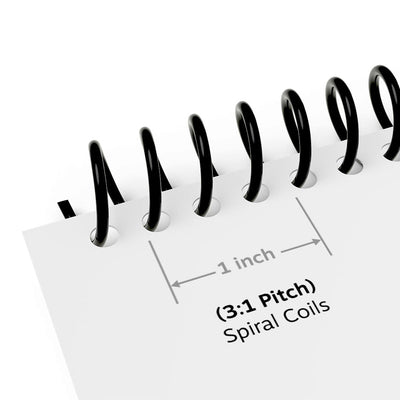
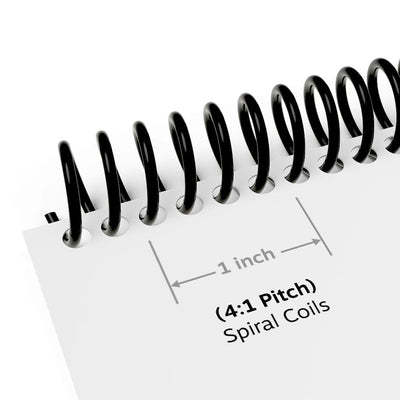
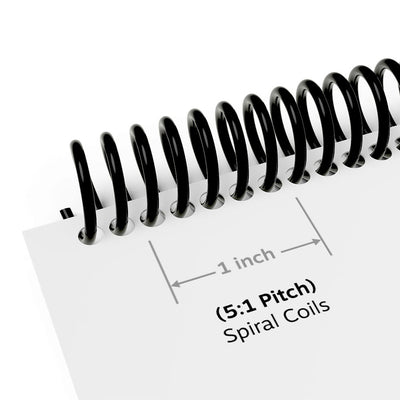
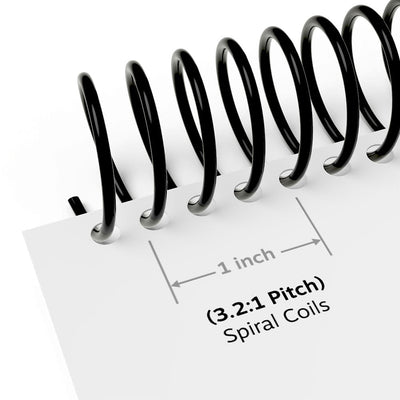
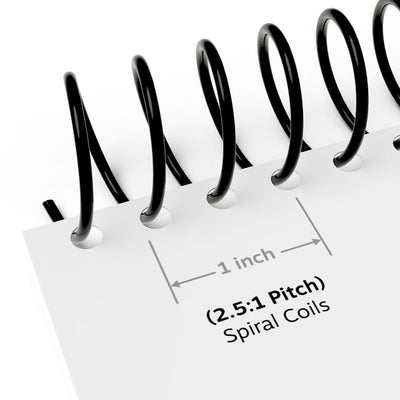
Pitch is the first thing to confirm because it decides whether the coil can even match the punched holes in your document. Color, diameter, and length all come later. A coil can look right in every other way and still fail if the pitch does not line up with the machine pattern. Buyers should think about the punch already in use, whether the shop works with one standard hole pattern or more than one, and how often different operators handle the same supplies. A mismatch here usually wastes more time than any other mistake in the order. That is why pitch comes before everything else. Once it is right, the rest of the decision becomes much easier and far less risky.

You need to think about the machine first when the hole pattern is still unclear or when more than one binding system may already be in use. Buyers sometimes assume spiral supplies are interchangeable across machines, but pitch is a strict fit rule, and the safest order starts with the equipment already doing the punching. It also helps to think about punching length, document size, and whether the machine is built for light or steady use. Once those details are settled, the coil choice becomes far easier. If the decision still needs to be anchored around the punching setup before supplies are chosen, coil binding machines often make that machine-first part of the decision easier to narrow.

Yes. Diameter matters for book thickness, but pitch matters for basic compatibility. A wrong diameter can still let the coil start through the holes before the fit feels off. A wrong pitch usually fails from the beginning because the spacing simply does not line up. Buyers should think of pitch as the non-negotiable part of the decision and diameter as the size decision that follows after compatibility is settled. Once the pitch is correct, diameter can be chosen from the full assembled thickness of the book, including covers and tabs. That order prevents a lot of avoidable frustration. If insertion speed also becomes part of the workflow question, coil inserters often enter the picture once the right pitch is already in place.

Match the correct pitch, then size the coil to the full finished stack and think about how the book will be finished after insertion. Buyers sometimes stop at the pitch decision and overlook book thickness, document height, and the final crimping step. A coil that matches the holes still needs to turn freely and hold the book without feeling cramped or loose. It also helps to think about how often the finished document will be handled, because heavier use can make finishing quality more important. A good result comes from treating pitch as the first step, not the only step. Once the holes match, the rest of the build still needs to support smooth use and a clean finish.

Support items help most when they make the matching, insertion, and finishing steps more consistent from one job to the next. Buyers who bind often should think about whether the workflow slows down at insertion, at end finishing, or at keeping books neat once the coil is installed. Those steps become more important as volume rises, because even small slowdowns add up fast. Accessories do not replace the need to choose the right pitch, but they make it easier to turn the correct supply choice into a cleaner finished result. That matters most in repeat office and print work where consistency matters. When the goal is smoother finishing around the correct coil setup, spiral coil accessories often make the workflow easier to manage.

Featured Blogs

View all
Binding101 2018 Best Sellers

Binding101 2018 Best Sellers

Here is a list of our top-selling equipment for 2018, across all product categories, by volume of...

Read More
DIY Booklets: How to Make Event Programs, Catalogs, & Magazines

DIY Booklets: How to Make Event Programs, Catalogs, & Magazines

From handmade zines to polished product catalogs, folded and bound booklets are a classic way to share...

Read More
How to Make Custom Calendars: A Step-by-Step Guide

How to Make Custom Calendars: A Step-by-Step Guide

Custom calendars aren’t just great for organization — they’re also an excellent product line for small businesses,...

Read More
