Fast Shipping. Reliable Service. Every Time.

Get your machines and supplies delivered quickly because deadlines shouldn’t wait.

Frequently Asked Questions

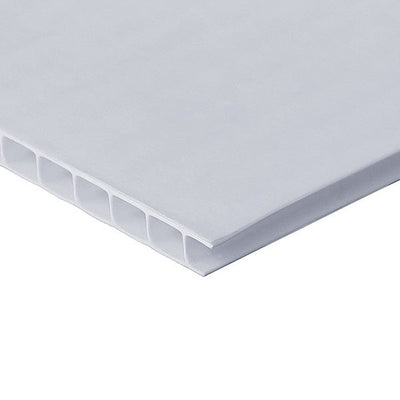
Choose the board according to the display location, expected handling, weight, finish, and required service life. Lightweight foam board works well for indoor signs, presentations, photographs, and temporary displays where easy carrying matters. PVC board provides greater resistance to dents and moisture and may be more suitable for demanding indoor use or supported outdoor applications. Paper-based boards can provide a clean presentation surface but should be protected from damp conditions. Uncoated foam boards are useful when a lightweight, adaptable backing is the main priority. The printed piece, adhesive method, mounting equipment, and final support structure should all be considered together because a strong board cannot correct an unsuitable adhesive or installation method.

Thickness should reflect the display size, how the piece will be supported, and how much rigidity is required. Smaller graphics mounted in a frame or supported across the back can often use a lighter board. Larger freestanding signs and displays with limited support may need additional thickness to resist bending or bowing. More thickness also adds weight, which can affect wall fasteners, easel capacity, shipping, and cutting requirements. Do not choose thickness only by visual preference. Consider how the board will be transported and whether the edges must fit inside a frame, rail, stand, or display system. A sample is helpful when the finished piece must balance stiffness with easy cutting and handling.

PVC board is often the stronger choice when the display needs better resistance to moisture, surface dents, and repeated handling. It can suit signs, exhibits, menu displays, retail graphics, and other work that needs a more durable backing than lightweight foam board. Sintra PVC mounting boards are relevant when the job requires a rigid plastic substrate rather than a paper-faced core. Foam board remains useful when low weight, easy transport, and economical indoor presentation matter more. Cutting equipment and attachment methods also differ between materials, so confirm that the production area can trim and mount the selected board safely. Outdoor suitability should always be confirmed from the exact board and installation conditions.

The adhesive must suit both the printed media and the board surface. Dry mounting can create a smooth, permanent bond but requires compatible materials, suitable temperature, and correctly sized equipment. Pressure-sensitive adhesive can support cold workflows and heat-sensitive output, though careful application is needed to avoid trapped air and wrinkles. Spray products and general-purpose glues can create uneven coverage, overspray, staining, or long-term bond issues when they are not intended for graphic mounting. Consider whether the print may ever need repositioning or removal because permanent methods leave little room for correction. Always test the complete combination of print, ink, adhesive, and board before processing valuable work or a large quantity.

Keep the print, board, rollers, and work area clean before mounting. Dust and small particles become highly visible once trapped beneath a smooth graphic. Allow printed media to dry or cure fully, then condition the board and print in the same environment when possible. Apply pressure evenly and avoid rushing the initial alignment because lifting and resetting partially bonded material can create marks or stretch the print. Dry mounting tissue adhesive can support an even bond when the print, board, and press conditions are compatible. Large graphics may need a production method that controls tension and alignment gradually rather than placing the entire print by hand at once.

Featured Blogs

View all
Binding101 2018 Best Sellers

Binding101 2018 Best Sellers

Here is a list of our top-selling equipment for 2018, across all product categories, by volume of...

Read More
DIY Booklets: How to Make Event Programs, Catalogs, & Magazines

DIY Booklets: How to Make Event Programs, Catalogs, & Magazines

From handmade zines to polished product catalogs, folded and bound booklets are a classic way to share...

Read More
How to Make Custom Calendars: A Step-by-Step Guide

How to Make Custom Calendars: A Step-by-Step Guide

Custom calendars aren’t just great for organization — they’re also an excellent product line for small businesses,...

Read More
