Fast Shipping. Reliable Service. Every Time.

Get your machines and supplies delivered quickly because deadlines shouldn’t wait.

Frequently Asked Questions

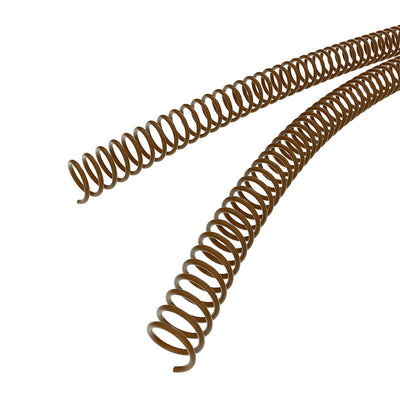
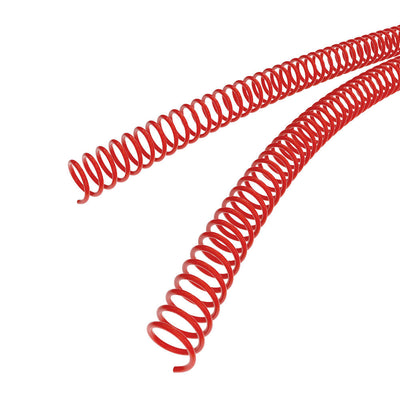
Choose coil color around the customer’s brand, logo, department standards, or filing system. Black, white, navy, and clear are common for business reports because they pair well with most covers and do not distract from the content. Brighter colors can work well for training levels, product groups, classroom sets, manuals, or marketing pieces where quick identification matters. Color should not be chosen only because the document feels formal or casual. In real buying decisions, the coil usually needs to match a logo, cover set, brand guide, or repeat project. If the document is part of a recurring series, choose a color that will be easy to reorder and keep consistent.

Color is only one part of the order. The coil size still needs to match the finished document thickness. Measure the full stack, including front cover, back cover, tabs, and any heavier sheets. Standard coil capacity is usually based on 20 lb paper, so thicker paper or plastic covers can change the size you need. A coil that is too small makes pages hard to turn, while one that is too large looks loose. If your document falls between two sizes, it is usually better to go slightly larger for easier page turning. For size-based shopping, compare spiral coil binding supplies by size before ordering by color.

Yes, colored spiral coils can work very well for heavy-use documents when the size, pitch, and material match the job. Plastic coils are flexible, hold their shape well, and allow pages to turn fully back-to-back, which is helpful for manuals, workbooks, cookbooks, training guides, and reference books. The color does not reduce the usefulness of the coil, but very light colors may show dirt faster in rough handling. For documents that will be used every day, choose the coil size carefully and pair it with durable covers. The finished document should open smoothly without crowding the punched edge or putting extra stress on the holes.

Pitch refers to the hole spacing used by the binding machine and coil. The most common spiral coil pitch is 4:1, but other pitch options exist for different machines and document needs. The coil pitch must match the punch pattern exactly. A coil with the wrong pitch will not thread through the punched pages correctly, even if the color and size are right. Before ordering, check your machine, die, or previously used supplies. If several people order supplies for the same office, keep the correct pitch written near the machine. This prevents ordering a good-looking coil that cannot be used with your punch setup.

You need a coil-compatible punch pattern, the right coil size and pitch, and a way to finish the coil ends. Most coil binding workflows use a coil binding machine or punch, then the coil is inserted by hand or with an inserter. The ends are cut and crimped so the coil does not spin back out of the document. For low-volume work, manual insertion may be fine. For repeated batches, an electric inserter can save time. If you are buying colored coils for a new workflow, compare coil binding machines before stocking many colors, sizes, or pitches.

Featured Blogs

View all
Binding101 2018 Best Sellers

Binding101 2018 Best Sellers

Here is a list of our top-selling equipment for 2018, across all product categories, by volume of...

Read More
DIY Booklets: How to Make Event Programs, Catalogs, & Magazines

DIY Booklets: How to Make Event Programs, Catalogs, & Magazines

From handmade zines to polished product catalogs, folded and bound booklets are a classic way to share...

Read More
How to Make Custom Calendars: A Step-by-Step Guide

How to Make Custom Calendars: A Step-by-Step Guide

Custom calendars aren’t just great for organization — they’re also an excellent product line for small businesses,...

Read More
