Fast Shipping. Reliable Service. Every Time.

Get your machines and supplies delivered quickly because deadlines shouldn’t wait.

Frequently Asked Questions

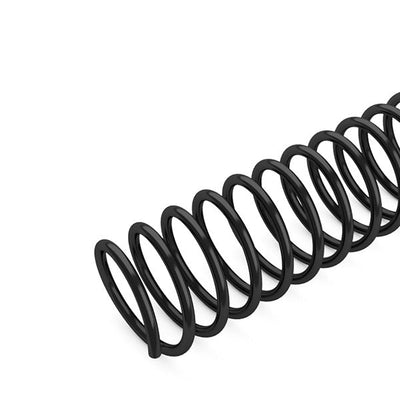
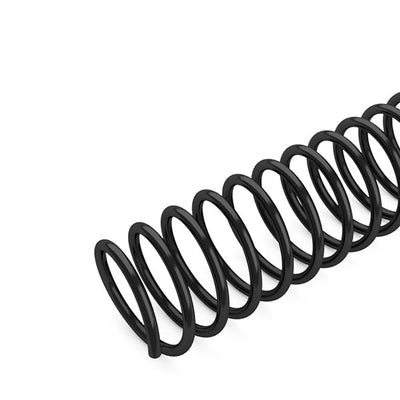
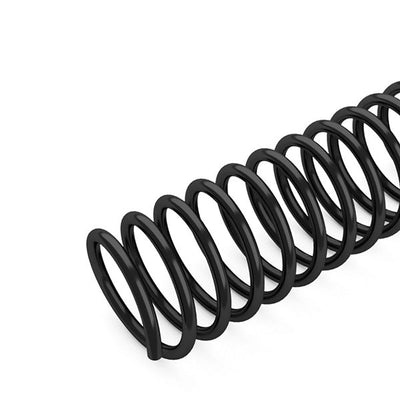
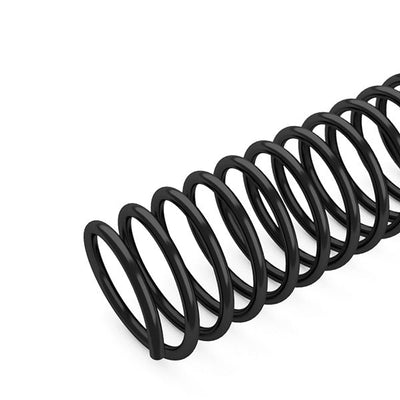
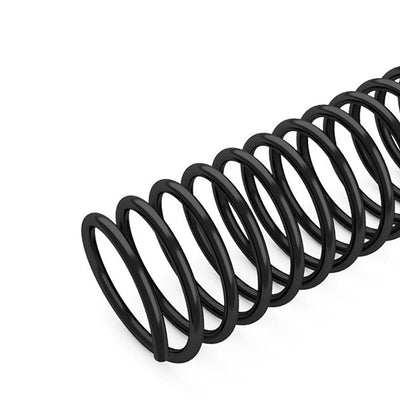
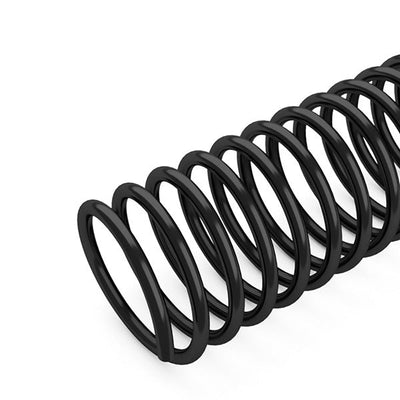
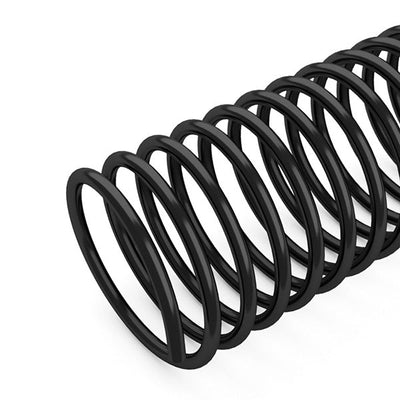
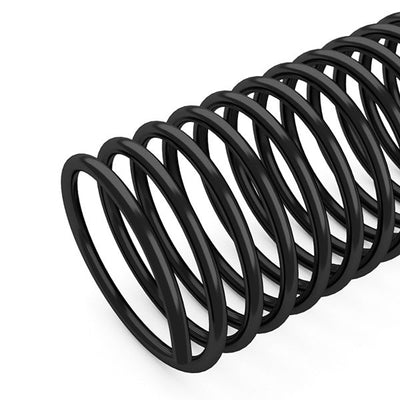
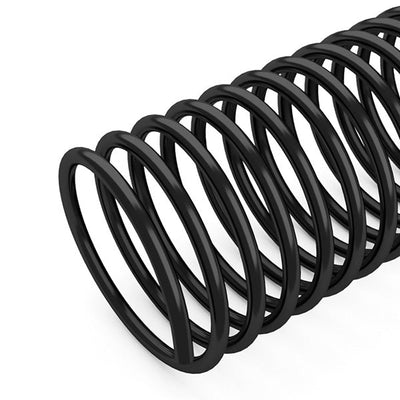
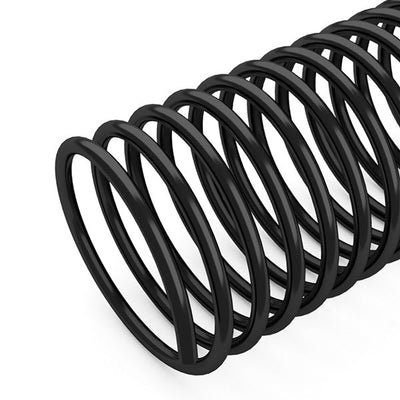
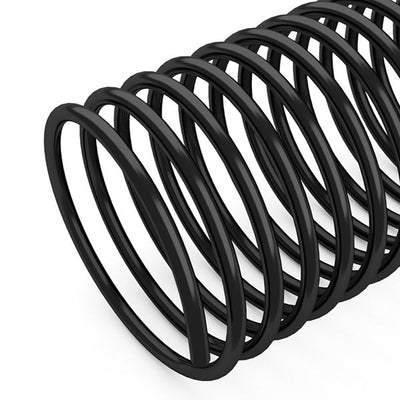
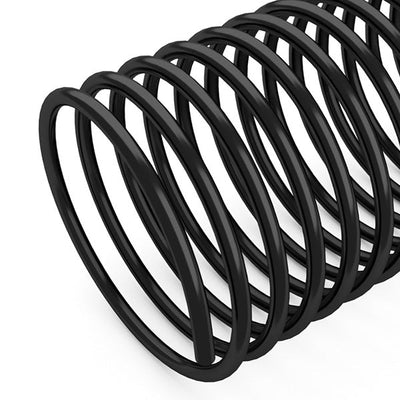
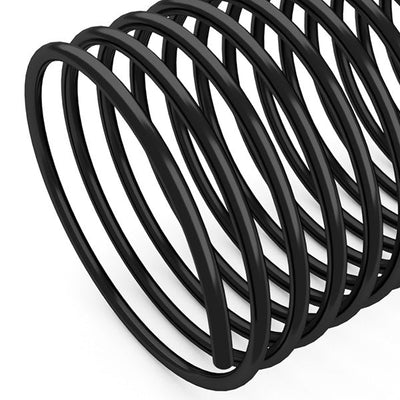
Choose coil diameter by measuring the complete stack, including printed sheets, front cover, back cover, dividers, and inserts. Coil diameter controls how freely the sheets turn, so it should be slightly larger than the finished stack thickness. A coil that is too small makes the sheets bind near the spine. A coil that is too large makes the document feel loose and unfinished. The size range can cover thin reports through thick manuals, so do not guess from sheet count alone. Build one full sample when using heavy paper or covers. After sizing, choose the right pitch from spiral coil binding supplies.

Confirm pitch first, then choose diameter. Pitch must match the holes made by the coil binding machine. A 4:1 pattern and a 5:1 pattern are not interchangeable, even if the coil diameter looks right. Once the pitch is confirmed, select diameter from the complete stack thickness. Many buyers look at size first because it feels tied to sheet capacity, but the wrong pitch will stop the coil from threading through the punched holes. If the machine label is unclear, punch one test sheet and count the holes. A correct order is pitch, diameter, length, and then color. For machine planning, compare coil binding machines.

Large coil sizes can work well for thick manuals, but they should be matched carefully to pitch, stack thickness, and document use. Larger coils allow thicker books to turn without pinching, but an oversized coil can feel bulky and make storage harder. Very thick documents may also need stronger covers because the spine area receives more stress during use. A 5:1 pitch is often associated with larger coil diameters, while 4:1 is common for standard office binding. Always confirm what the machine punches before ordering. If the document will be handled daily, bind a sample and test turning before committing to a bulk coil size.

Yes, coil size affects the feel of the finished document. A correctly sized coil lets sheets turn smoothly and allows the book to fold back without forcing the stack. An undersized coil creates friction near the punched edge and can tear holes over time. An oversized coil creates too much movement and may look unfinished. Smooth turning is especially important for training manuals, reference guides, cookbooks, workbooks, and documents used on a desk while someone writes or follows instructions. Include covers in the size test because covers often add more thickness than expected. Keep a small coil sizing sample near the binding station to reduce mistakes.

After choosing the coil size, you still need to cut and crimp both coil ends. Coil should be longer than the binding edge during insertion, then trimmed after it is fully threaded. Cutting alone is not enough because a straight coil end can work loose during handling. A crimped end bends inward and helps keep the coil from unwinding. This step matters more on thicker documents because the coil is under more movement during use. Keep coil crimpers with the coils and machine so operators finish every book properly. A clean crimp can be the difference between a usable manual and one that comes apart.

Featured Blogs

View all
Binding101 2018 Best Sellers

Binding101 2018 Best Sellers

Here is a list of our top-selling equipment for 2018, across all product categories, by volume of...

Read More
DIY Booklets: How to Make Event Programs, Catalogs, & Magazines

DIY Booklets: How to Make Event Programs, Catalogs, & Magazines

From handmade zines to polished product catalogs, folded and bound booklets are a classic way to share...

Read More
How to Make Custom Calendars: A Step-by-Step Guide

How to Make Custom Calendars: A Step-by-Step Guide

Custom calendars aren’t just great for organization — they’re also an excellent product line for small businesses,...

Read More
